

- Introduction to SEO Friendly Web Design
- The Role of SEO Friendly Web Design
- Understanding Search Engines
- Visibility and Traffic Generation through an SEO Friendly Web Design
- Enhancing User Experience through Design Techniques
- Key Elements that Improve User Experience on Your Website
- Content Optimization Techniques for Better Search Rankings
- Leveraging Technical Elements to Boost Your Website’s SEO Performance
- Mobile-Friendliness as a Necessity in Today’s Digital Landscape
- Targeted Traffic Generation with Long-Tail Keywords
- Continuous Optimization for Sustained Success
- Conclusion
- FAQs (Frequently Asked Questions)
Introduction to SEO Friendly Web Design
SEO friendly web design refers to the practice of creating websites that are optimized for search engines while providing a seamless user experience. This approach is essential for businesses seeking to thrive in today’s competitive digital landscape.
Significance for Businesses
An effective SEO-friendly web design enhances:
- Online Visibility: Improved search rankings lead to increased exposure among potential customers.
- User Experience: A well-designed site encourages visitors to engage with content and navigate easily.
- Conversion Rates: An optimized design fosters trust and can significantly boost sales or leads.
This article delves into the critical aspects of SEO-friendly web design, focusing on three pivotal factors:
- Visibility: Strategies to enhance organic search rankings.
- User Experience: Techniques that improve engagement and satisfaction.
- Conversion Rates: Methods to turn visitors into loyal customers.
Understanding the importance of SEO-friendly web design equips businesses with the tools needed for success in their digital marketing efforts.

The Role of SEO Friendly Web Design
Search Engine Optimization (SEO) often comes across as magic, but it is a real, critical component of effective website design. It encompasses techniques aimed at increasing a website’s visibility in search engine results, driving organic traffic, and ultimately enhancing user engagement. Integrating SEO friendly principles from the outset is essential for optimizing performance.
Key Aspects of SEO’s Relationship with Web Design:
- Visibility and Traffic: A well-structured site that adheres to SEO best practices increases its chances of ranking higher on search engines like Google. Higher rankings translate directly into increased traffic, providing businesses with greater exposure to potential customers.
- User Experience and Engagement: An effective search engine optimization strategy is not solely about keywords and backlinks. It involves creating a seamless user experience that encourages visitors to navigate the site easily, thereby reducing bounce rates and fostering deeper interactions.
Importance of Early Integration
Incorporating SEO elements during the initial stages of web design can prevent costly redesigns in the future. Key considerations include:
- Site Architecture: A logical layout enhances both user experience and crawlability for search engines.
- Responsive Design: Ensuring compatibility across devices improves accessibility, which is a significant ranking factor.
By embedding these strategies into the foundation of your web design, you cultivate a robust framework that supports long-term growth and adaptability in an ever-evolving digital landscape.

Understanding Search Engines
Search engines play a critical role in determining how websites are evaluated and ranked. Understanding this process is essential for any business aiming to enhance its online presence. Here are key elements involved:
1. Evaluation Criteria
Search engines like Google assess websites based on numerous factors including content relevance, site structure, user engagement, and loading speeds. This evaluation ensures that users receive the most pertinent results for their queries.
2. Google Search Console
This powerful tool is indispensable for monitoring website performance. It provides insights into how Google views your site, tracks search traffic, and identifies issues affecting visibility. Businesses can utilize this data to make informed adjustments and optimize their web presence effectively.
3. Technical Elements
Certain technical aspects significantly influence search engine evaluations:
- robots.txt: This file instructs search engines on which pages to index or ignore. Properly configuring robots.txt is vital to ensure important content is crawled while sensitive areas remain hidden.
- Core Web Vitals: These metrics focus on user experience aspects such as loading performance, interactivity, and visual stability. Meeting Core Web Vitals standards is increasingly essential for ranking well in search results, reflecting Google’s commitment to user satisfaction.
Understanding these components empowers businesses to create SEO-friendly websites that not only attract traffic but also provide excellent user experiences. The synergy between technical excellence and design lays the groundwork for sustained online success.

Visibility and Traffic Generation through an SEO Friendly Web Design
An SEO-friendly website is crucial for improving organic search rankings. Search engines prioritize sites that are designed with both users and algorithms in mind. Here are the key elements:
1. Optimized Loading Speed
Fast-loading pages enhance user experience, reducing bounce rates. Techniques to improve loading speed for SEO include:
- Compressing images
- Minimizing JavaScript and CSS files
- Leveraging browser caching
A delay of even a few seconds can significantly impact user retention and search rankings.
2. Effective Website Architecture
A well-structured site allows search engines to crawl and index content efficiently. Elements of effective website architecture for SEO include:
- Logical hierarchy: Clear categorization of content aids both users and crawlers.
- Internal linking: Facilitates easy navigation while distributing page authority across the website, enhancing overall visibility.
By integrating these strategies, businesses can ensure their websites rank higher in search results. An increase in visibility leads to greater traffic generation, positioning the brand prominently in the digital landscape.
The Importance of SEO-Friendly Web Design for Your Business cannot be overstated. A focus on both aesthetics and functionality creates a robust platform for attracting potential customers. Companies adopting SEO friendly web design and development practices benefit from sustained traffic growth and improved customer engagement, ultimately driving conversions and fostering brand loyalty.

Enhancing User Experience through Design Techniques
User experience (UX) plays a critical role in web design, significantly influencing how visitors interact with your site. A positive user experience not only keeps visitors engaged but also enhances the perception of your brand. Elements contributing to effective UX include:
- Intuitive Navigation: Simplified navigation structures enable users to find information quickly, reducing frustration and improving satisfaction.
- Visual Appeal: Aesthetically pleasing designs capture attention and encourage exploration, fostering a deeper connection with the audience.
Responsive design is a key component in optimizing user experience across various devices. As mobile browsing continues to rise, having a website that adapts seamlessly to different screen sizes is essential. Key benefits of responsive design include:
- Enhanced Engagement: Users enjoy a consistent experience whether they are on a desktop, tablet, or smartphone, leading to longer session durations.
- Improved Accessibility: Responsive sites ensure that all users can easily access content without excessive zooming or scrolling.
The integration of user experience and SEO cannot be overlooked. Search engines prioritize websites that offer high-quality experiences, including fast loading times and mobile optimization. Investing in responsive design supports not only user satisfaction but also contributes positively to search rankings.
Incorporating these design techniques creates an environment where users feel valued and understood, ultimately encouraging them to take desired actions on your site. The synergy between UX and SEO fosters an engaging online presence that drives business growth and success.

Key Elements that Improve User Experience on Your Website
Creating a seamless user experience hinges on several critical elements in SEO friendly web design. Focus on the following aspects to enhance usability and engagement:
1. Effective Navigation Structures
A well-organized navigation system is essential for guiding users through your website. Ensure that menus are intuitive, with clearly labeled sections that reflect the content within. Consider implementing a breadcrumb navigation system, which provides users with context about their current location within the site structure. This not only improves usability but also assists search engines in indexing your pages effectively.
2. Importance of Clear CTAs
Call-to-action (CTA) buttons play a crucial role in driving user engagement. Place these buttons strategically throughout your site, ensuring they stand out visually and convey a clear message. Use action-oriented language such as “Get Started,” “Sign Up Now,” or “Learn More” to encourage users to take the desired action. Testing different placements and designs can help identify what resonates best with your audience, ultimately leading to higher conversion rates.
3. Strategies for Improving Content Readability
Content readability impacts how easily users can consume information on your site. Implement the following strategies:
- Use short paragraphs and bullet points to break up text.
- Choose legible fonts and appropriate font sizes.
- Incorporate contrasting colors for text and background to enhance visibility.
By focusing on these key elements, you empower users to navigate effortlessly, engage meaningfully, and absorb content effectively, laying the groundwork for an exceptional online experience.
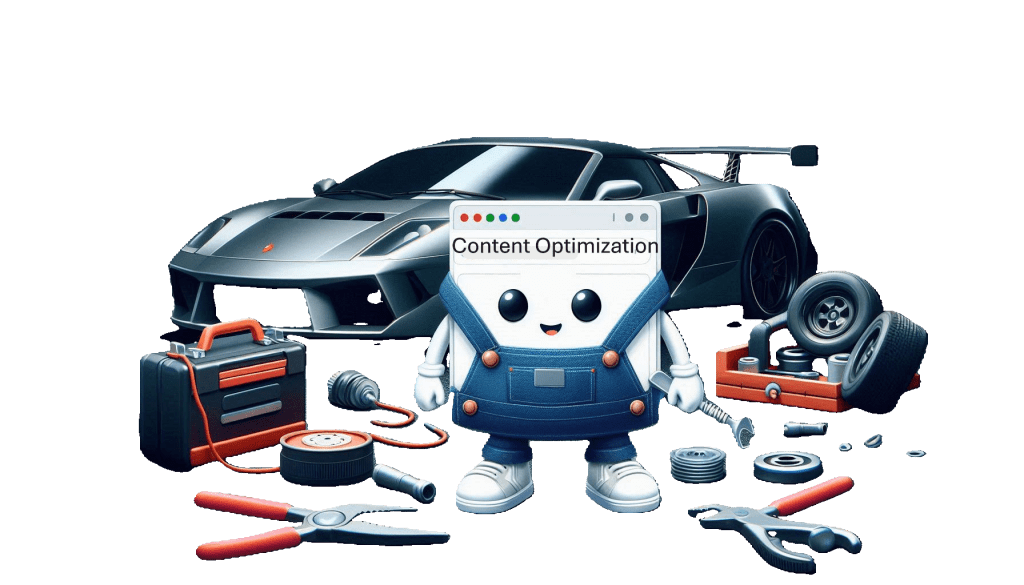
Content Optimization Techniques for Better Search Rankings
High-quality content is the cornerstone of effective content optimization. Focusing on relevant keywords ensures that your website meets the needs of users actively searching for information aligned with your offerings. For optimal content optimization consider these essential practices:
1. Targeting Relevant Keywords
Research and select keywords related to your business niche. Use keyword tools to identify terms that potential customers frequently search for. Incorporating these keywords naturally into your content enhances discoverability.
2. Utilizing Header Tags
Organize your content with header tags (H1, H2, H3). These tags not only improve readability but also signal to search engines the hierarchy of information on your page. An effective use of header tags can lead to better indexing and higher rankings.
3. Crafting Compelling Meta Descriptions
Write concise and informative meta descriptions for each page. These descriptions should summarize the content while incorporating primary keywords. A well-crafted meta description can significantly increase click-through rates from search engine results pages.
4. Implementing Internal Links
Create internal links within your content to connect various pages on your site. This practice enhances navigation, allows users to discover more related information, and improves SEO by helping search engines index your site effectively.
5. Optimizing Alt Text for Images
Provide descriptive alt text for images used in your content. Alt text not only assists visually impaired users but also offers context to search engines about the image’s relevance, thereby improving overall SEO performance.
A strategic approach to content optimization leads to improved search rankings and enhanced user engagement, making it a vital component of any SEO-friendly web design.
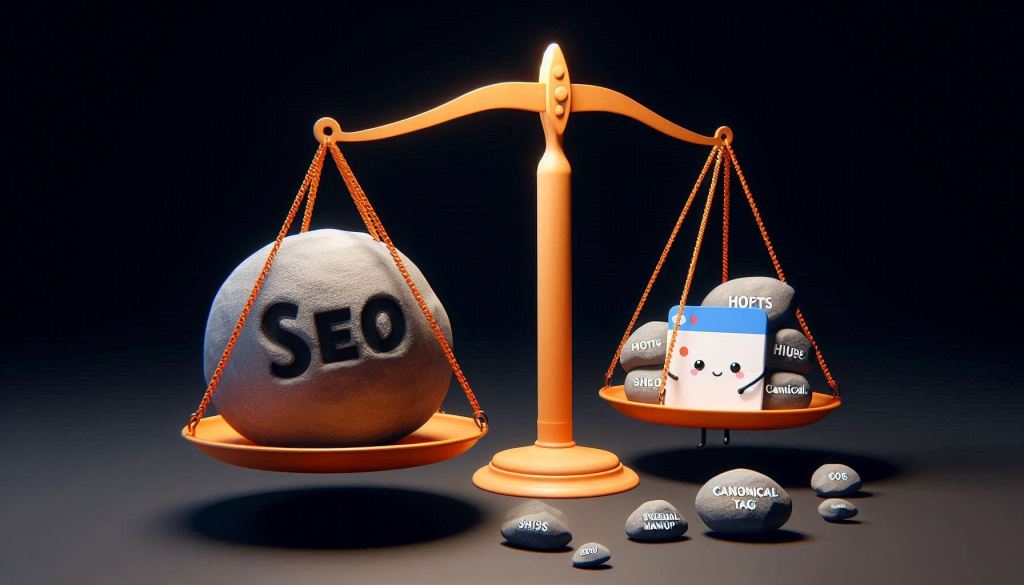
Leveraging Technical Elements to Boost Your Website’s SEO Performance
Implementing technical elements is crucial for enhancing your website’s SEO performance. Key components include:
1. HTTPS
Utilizing HTTPS not only secures data transmission between the user and the website but also boosts credibility. Search engines prioritize secure sites, which can improve rankings. Consumers are more likely to trust a site that displays a padlock icon in the address bar, thereby increasing engagement and conversion rates.
2. Schema Markup
This structured data language helps search engines better understand the content of your website. By incorporating schema markup, you enhance search results with rich snippets—these snippets provide additional information directly in the search results, such as star ratings or product prices. The enhanced visibility can significantly improve click-through rates, drawing more traffic to your site.
3. Canonical Tags
These tags are essential for preventing duplicate content issues. By specifying the “canonical” version of a webpage, you guide search engines on which version to index. This practice consolidates page authority and ensures that your preferred URL receives the ranking credit it deserves.
Integrating these technical elements lays a solid foundation for a robust SEO strategy. As search engine algorithms continue to evolve, focusing on these aspects will not only enhance user experience but also drive organic traffic effectively.

Mobile-Friendliness as a Necessity in Today’s Digital Landscape
The rise of mobile browsing has significantly transformed web design choices. With over half of all internet traffic coming from mobile devices, businesses must prioritize mobile-friendly designs to capture and retain users. A mobile-first index approach means search engines primarily use the mobile version of websites for ranking purposes. Consequently, this shift underscores the necessity for responsive design—creating a seamless experience across various devices.
Key factors influencing mobile-friendliness include:
- Responsive Design: Websites should adapt their layout and functionality based on the device being used. This flexibility ensures that users have an optimal experience, whether on a smartphone, tablet, or desktop.
- Loading Speed: Mobile users expect fast-loading pages. Slow speeds can frustrate visitors and lead to higher bounce rates, negatively impacting search rankings.
- User Interface (UI) Elements: Touch-friendly navigation and appropriately sized buttons enhance usability on smaller screens. Clear layouts prevent confusion, allowing users to find information quickly.
Ensuring mobile-friendliness is not just about compliance with search engine algorithms; it is crucial for maintaining rankings and improving user engagement. Businesses that neglect this aspect risk losing valuable traffic and potential customers to competitors who prioritize mobile optimization.
In a landscape where convenience drives consumer behavior, adopting a mobile-centric approach is essential. Investing in responsive design creates opportunities for better visibility, increased user satisfaction, and ultimately, higher conversion rates.

Targeted Traffic Generation with Long-Tail Keywords
Long-tail keywords are specific phrases that typically contain three or more words. They play a crucial role in attracting targeted visitors who are more likely to convert into customers. These keywords reflect the precise intent of users searching online, allowing businesses to connect with audiences actively seeking their offerings.
Advantages of Long-Tail Keywords:
- Higher Conversion Rates: Visitors arriving at your site through long-tail keyword searches often have a clearer idea of what they want. This clarity translates into higher conversion rates.
- Less Competition: Unlike broader keywords, long-tail keywords generally face less competition. This gives smaller businesses a chance to rank higher in search results without the need for extensive resources.
- Improved SEO Optimization: Integrating long-tail keywords into your content enhances the relevance of your website. Search engines favor sites that provide specific answers to user queries, improving visibility.
Incorporating these keywords effectively within your SEO-friendly web design enables businesses to improve website traffic through strategic optimization efforts. The result is a well-rounded approach that not only drives targeted traffic but also aligns seamlessly with user intent, fostering enhanced engagement and satisfaction.

Continuous Optimization for Sustained Success
Continuous optimization is a critical aspect of maintaining an effective SEO-friendly web design. As search engines evolve and user preferences shift, adapting your website becomes essential. Here are key strategies to ensure sustained success:
1. Utilize Analytics Tools
Employ analytics tools such as Google Analytics or Hotjar to monitor user behavior and engagement metrics. These insights help identify areas where users may be experiencing challenges. Data-driven adjustments can improve both SEO performance and overall user experience.
2. Regular Updates
Stay informed about changes in search engine algorithms and emerging trends in user behavior. Regular updates to your website’s content and structure keep it relevant. This practice helps maintain high rankings in search results while also catering to evolving audience expectations.
3. Ongoing Optimization Cycle
Implement a systematic approach to ongoing optimization, which includes:
- Content Review: Regularly audit existing content for relevance and freshness. Updating or expanding articles can enhance their value and visibility.
- Technical Audits: Conduct periodic technical audits to ensure that elements like page load speed, mobile-friendliness, and security protocols are optimized.
- Competitive Analysis: Monitor competitors’ strategies to identify gaps or opportunities within your own site. Adapting successful tactics can provide a competitive edge.
- Feedback Mechanisms: Establish channels for user feedback to gain insights on their experiences. Addressing concerns through iterative improvements increases customer satisfaction.
Adopting these continuous optimization practices not only reinforces the effectiveness of your SEO strategies but also fosters a culture of innovation within your web design approach. This commitment lays the groundwork for long-term growth and success in an ever-changing digital landscape.

Conclusion
Web design is extremely important, especially when combined with effective SEO strategies. Businesses that want to succeed online need to understand the following:
- Trust with Audience: A well-designed website builds trust and credibility with users.
- Visibility and Engagement: SEO-friendly design improves visibility, bringing in more traffic and potential customers.
- Conversion Rates: An optimized user experience leads to higher conversion rates, resulting in real business growth.
By combining creative web design with strong SEO practices, businesses set themselves up for success in the competitive digital world. The Importance of SEO-Friendly Web Design for Your Business lies in its ability to create a smooth experience that attracts, engages, and converts visitors into loyal customers. Investing in these areas not only improves your online presence but also establishes a foundation for long-term success.

FAQs (Frequently Asked Questions)
What is SEO-friendly web design?
SEO-friendly web design refers to the practice of creating websites that are optimized for search engines, ensuring better visibility and higher organic traffic. This involves integrating various SEO strategies into the web design process, focusing on elements such as site architecture, loading speed, and user experience.
How does SEO impact website visibility and traffic?
SEO plays a critical role in enhancing a website’s visibility on search engines. By implementing effective SEO strategies, businesses can improve their rankings in search results, which leads to increased organic traffic. A well-optimized website is more likely to attract visitors who are searching for relevant products or services.
Why is mobile-friendliness important for web design?
Mobile-friendliness has become essential due to the rise of mobile browsing. Websites that are not optimized for mobile devices may lose rankings on search engines. Ensuring a responsive design allows for better user engagement across various devices, ultimately improving both user experience and search engine performance.
What are some key elements that enhance user experience on a website?
Key elements that improve user experience include effective navigation structures that make it easy for users to find information, clear call-to-action (CTA) buttons that guide users towards desired actions, and content readability enhancements such as proper use of headings and concise text.
How can I optimize content for better search rankings?
To optimize content for better search rankings, focus on creating high-quality content that targets relevant keywords. Utilize internal links to connect related content within your site, employ header tags and meta descriptions effectively, and ensure all images have descriptive alt text to improve accessibility and SEO.
What practices should be followed for continuous optimization of a website?
Continuous optimization involves regularly monitoring user behavior using analytics tools and making data-driven adjustments to enhance both SEO and user experience. It’s essential to stay updated with changing algorithms or user behaviors and implement strategies that maintain an ongoing cycle of optimization in web design.