
Introduction to Content Marketing
In today’s world, where most business interactions happen online, content marketing has become essential for effective lead generation. It involves creating and sharing valuable content to attract and engage potential customers, ultimately turning them into loyal clients.
This article delves into how businesses can integrate content marketing into their lead-generation strategies. We’ll explore various approaches such as:
- Understanding how high-quality content can attract and engage potential leads.
- Exploring different content formats that capture attention and drive conversions.
- Building trust through valuable information at every stage of the buyer’s journey.
- Enhancing visibility with SEO strategies.
- Personalizing content for better engagement and conversion rates.
- Discovering diverse content formats for B2B lead generation.
- Measuring success in your content marketing campaigns.
By implementing these strategies, businesses can effectively use content marketing to generate leads and achieve long-term success.

The Power of Content Marketing in Generating Leads
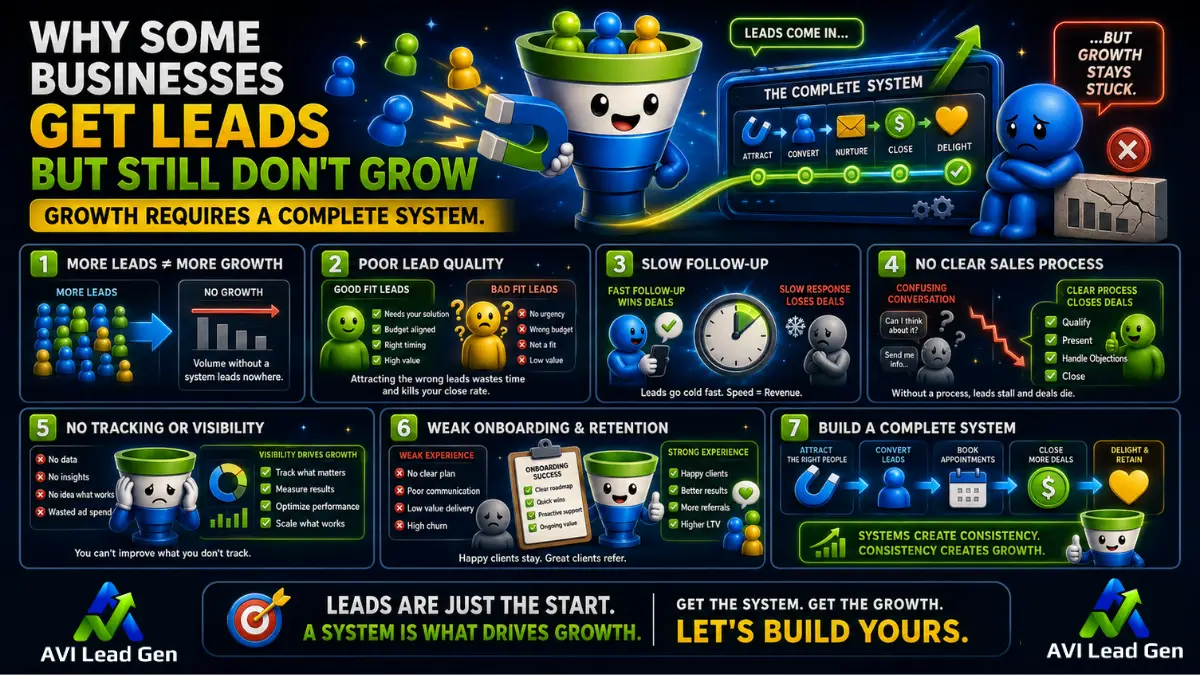
Creating high-quality content is essential for generating leads. It goes beyond being just a trendy term; it’s the driving force behind attracting potential customers. By producing valuable and relevant content consistently, you can capture the attention of your target audience and build a relationship with them over time.
Why High-Quality Content Marketing Matters
Here are two reasons why high-quality content is important:
- Attraction: High-quality content draws attention. Blog posts, whitepapers, videos, and infographics all serve as magnets for your target audience.
- Engagement: Once attention is captured, engaging content keeps potential leads interested. Interactive elements like polls or quizzes deepen this engagement.
The Importance of a Well-Defined Content Strategy
To make your lead generation efforts successful, it’s crucial to have a clear content strategy that aligns with your goals. This strategy should include:
- Identify Target Audience: Understanding who your ideal customers are allows you to create content that resonates with them.
- Set Clear Objectives: Whether it’s increasing website traffic or generating qualified leads, having clear goals helps measure success.
- Content Calendar: Planning ahead ensures a steady stream of fresh, relevant content.
For example, let’s say there’s a tech company that wants to attract small businesses as their customers. They can achieve this by creating blog posts on topics such as “Top 10 Software Tools for Small Businesses” or “How to Improve Your Cybersecurity.” These articles provide practical solutions that their audience is actively seeking.
Creating Audience-Centric Content Marketing
To connect with your target market effectively, it’s essential to create content that speaks directly to them. Here are some strategies you can implement:
- Conducting Surveys and Research: Understand your audience’s pain points and preferences by gathering feedback through surveys or conducting market research.
- Developing Buyer Personas: Craft detailed profiles of your ideal customers based on demographic information, interests, and behaviors. This will help guide your content creation process.
- Personalized Messaging: Tailor your content to different segments of your audience for a deeper connection. Use personalized email campaigns or targeted social media ads to deliver relevant messages.
For instance, an online retailer can enhance user experience and drive higher engagement rates by sending personalized email recommendations based on past purchases.
In summary, combining high-quality content with a strategic approach can greatly improve lead-generation efforts, making them more effective and sustainable in the long run.

The Lead Attraction Potential of Engaging Content Marketing
High-quality, engaging content is the cornerstone of effective lead attraction. Different types of content can capture the attention of your ideal customers in unique ways, each offering distinct advantages for driving engagement and conversion.
Blogs: The Evergreen Magnet
Blogs serve as an evergreen magnet for attracting leads. By addressing relevant topics and providing insightful information, blogs can:
- Educate and Inform: Position your brand as an industry authority.
- SEO Benefits: Improve search engine rankings with keyword-rich articles.
- Engage Readers: Encourage comments and social shares, extending reach.
Example: A tech company publishing a series of blog posts on emerging trends in artificial intelligence can attract tech enthusiasts and potential B2B clients, fostering long-term relationships through consistent, value-driven content.
Videos: The Dynamic Storyteller
Videos offer a dynamic way to tell your brand’s story and engage viewers. Their visual appeal and ability to convey complex information quickly make them highly effective for lead attraction:
- Explainer Videos: Simplify complex concepts or products.
- Customer Testimonials: Build trust through authentic customer experiences.
- Live Streams/Webinars: Offer real-time interaction and immediate value.
Example: A fitness brand creating workout tutorials not only showcases their expertise but also engages potential customers by providing actionable content that aligns with their interests.
Infographics: The Visual Persuader
Infographics combine data and design to create compelling visual narratives that are easy to digest and share:
- Data Visualization: Present statistics in an engaging format.
- Quick Consumption: Deliver key messages swiftly.
- Share-ability: Increase reach through social media sharing.
Example: A marketing agency producing an infographic on the impact of social media advertising can attract business owners looking for quick insights into digital marketing strategies.
Case Studies: The Proof of Success
Case studies provide concrete evidence of your product or service’s effectiveness, making them powerful tools for conversion:
- Real-world Applications: Showcase successful implementations.
- Detailed Insights: Offer in-depth analysis and results.
- Credibility Boost: Reinforce trust with proven outcomes.
Example: A SaaS company highlighting a case study where a client achieved significant ROI using their software offers potential leads tangible proof of value.
E-books/Whitepapers: The In-depth Educator
E-books and whitepapers allow you to delve deeper into topics, providing comprehensive information that positions your brand as a thought leader:
- Detailed Knowledge: Cover complex subjects thoroughly.
- Lead Capture: Use gated content to collect contact information.
- Authority Building: Establish expertise in your field.
Example: An environmental consultancy offering a whitepaper on sustainable practices in corporate settings can attract environmentally-conscious businesses seeking expert advice.
By leveraging these diverse content formats—each tailored to specific stages of the buyer’s journey—you can significantly enhance lead attraction efforts. High-quality content not only captures attention but also nurtures engagement, driving conversions that fuel growth.

Building Trust and Nurturing Relationships with Leads through Valuable Information
Establishing Trust at Every Stage of the Buyer’s Journey
Providing valuable information is crucial in nurturing leads and building relationships. At each stage of the buyer’s journey—awareness, consideration, decision-content should address specific needs and pain points.
Awareness Stage
Share educational blog posts and informative videos that introduce potential leads to your solutions.
Consideration Stage
Offer comparative guides, case studies, and detailed infographics that show how your products or services stand out.
Decision Stage
Show testimonials, free trials, and personalized consultations to help prospects make informed decisions.
Interactive Content for Deeper Connections
Interactive content, like quizzes and polls, has the power to engage audiences on a personal level. These formats not only capture attention but also have valuable insights into customer preferences.
Quizzes
Create quizzes that help users see their specific needs or challenges. Share tailored solutions based on their responses.
Polls
Use polls to gather opinions on industry trends or pain points. This data can guide future content creation efforts while making leads feel heard.
“Interactive content fosters a two-way communication channel, essential for nurturing strong relationships.”
Real-Life Examples
- HubSpot’s Marketing Grader: This tool evaluates a website’s marketing performance, offering actionable insights. Users get a personalized report, enhancing trust and engagement.
- BuzzFeed Quizzes: These fun yet informative quizzes attract millions by addressing various interests and preferences. Each quiz provides a personalized result, keeping users engaged.
Benefits of Providing Valuable Information
- Credibility: High-quality content positions your brand as an industry authority.
- Trust: Consistent delivery of relevant information builds trust over time.
- Engagement: Interactive elements keep leads engaged longer and encourage sharing.
By strategically offering valuable information and leveraging interactive content formats, you lay the groundwork for enduring relationships with potential customers. This approach transforms casual visitors into loyal advocates who value your brand’s expertise.
Furthermore, the importance of providing valuable information can not be overstated as it significantly impacts consumer behavior. According to a study published in ScienceDirect, quality content not only influences purchasing decisions but also enhances customer loyalty and retention. Thus, incorporating these strategies effectively can lead to long-term benefits for your business.

Leveraging SEO Strategies to Enhance Visibility and Attract More Leads with Content Marketing
Search engine optimization (SEO) is a crucial part of generating leads. By making your content more visible, you can ensure that it reaches the right audience at the right time. Combining SEO with content marketing can greatly improve your lead-generation efforts.
SEO Techniques for Improved Discoverability
Here are some effective SEO techniques you can use to make your content more discoverable:
- On-Page Optimization: Crafting meta titles, descriptions, and headers that resonate with your target audience.
- Content Quality: Google rewards high-quality, informative content. Create pieces that provide genuine value to readers.
- Internal Linking: Direct users to related articles or resources within your website, enhancing their journey and keeping them engaged longer.
- Mobile Optimization: Ensure your content is accessible and responsive across all devices.
Importance of Keyword Research
Conducting thorough keyword research is vital. It shapes the foundation upon which your optimized blog posts are built. Keywords bridge the gap between what potential leads are searching for and the solutions you offer.
Steps to Effective Keyword Research
Here’s a step-by-step guide on how to conduct effective keyword research:
- Identify Core Topics: Pinpoint the primary themes relevant to your industry.
- Use Tools: Platforms like Google Keyword Planner, SEMrush, and Ahrefs unveil keyword opportunities.
- Analyze Competitors: Examine the keywords your competitors rank for; this offers insights into gaps you can exploit.
- Long-Tail Keywords: Focus on these specific phrases that capture search intent more accurately, driving targeted traffic.
Example of Optimized Content Marketing
Imagine a software company specializing in CRM solutions. By targeting keywords like “CRM software for small businesses” or “best CRM tools 2023,” they attract a niche audience actively seeking those exact solutions. Coupled with engaging blog posts detailing how their CRM revolutionizes customer management, they effectively draw in qualified leads.
In essence, integrating robust SEO strategies with compelling content not only amplifies your reach but also ensures that you are tapping into an audience ready to convert. This blend of visibility and relevance is what drives superior lead generation results.

Personalizing Your Content Marketing for Better Lead Engagement and Conversion Rates
Personalized content can significantly elevate your lead engagement and conversion rates. By delivering tailored messages, you create a more relevant and compelling experience for potential leads at every stage of their journey.
The Impact of Personalized Messaging
1. Enhanced Engagement
Personalized messaging resonates on a deeper level, driving higher engagement from leads. When content speaks directly to the specific needs and interests of an individual, it captures attention and fosters a stronger connection.
2. Increased Conversions
Tailored content can guide leads smoothly through the sales funnel, addressing their unique pain points and solutions. This targeted approach increases the likelihood of conversions as leads feel understood and valued.
Strategies for Tailoring Your Content Marketing
1. Develop Buyer Personas
- Create detailed profiles representing different segments of your audience.
- Include demographic information, pain points, preferences, and behavioral patterns.
2. Segment Your Audience
- Use data analytics to divide your audience into distinct groups based on criteria such as industry, job role, or buying behavior.
- Craft specific messages for each segment to address their unique concerns.
3. Dynamic Content
- Implement website personalization tools that adapt content in real time based on user behavior.
- Show personalized recommendations, offers, or articles depending on the visitor’s past interactions.
4. Email Marketing Personalization
- Customize email campaigns with personalized subject lines and tailored content.
- Use segmentation to send targeted email sequences that align with where leads are in their buyer’s journey.
5. Interactive Content
- Deploy quizzes, surveys, or assessments that provide personalized results.
- Engage users by offering customized insights or recommendations based on their inputs.
By leveraging these strategies, you not only enhance engagement but also build trust and loyalty with your audience. Personalized content is a powerful tool for driving meaningful interactions that convert leads into loyal customers.

Exploring Diverse Content Marketing for Effective B2B Lead Generation
In the world of B2B lead generation, using different types of content is important for getting the attention of potential leads and keeping them interested. Each type of content has benefits and can appeal to different preferences and stages of the buyer’s journey.
1. Case Studies
Case studies are real-life examples that show how your products or services have achieved significant results. They provide:
- Credibility: When you share success stories that can be proven, it helps build trust with potential leads.
- Insight: By highlighting specific problems and solutions, case studies give potential leads a clearer understanding of what makes your offering valuable.
2. Whitepapers
Whitepapers are in-depth reports that explore industry-specific topics, providing detailed insights and data-driven solutions. The key benefits of whitepapers include:
- Authority: When you publish whitepapers, you position your brand as an expert in the field.
- Engagement: Whitepapers contain valuable information that encourages leads to provide their contact details in exchange for access.
3. Webinars
Webinars are online seminars that allow you to interact directly with your audience. They are particularly effective for:
- Education: Webinars enable you to deliver comprehensive presentations on complex subjects.
- Connection: During webinars, you can hold live question-and-answer sessions to address specific queries, creating a deeper level of engagement.
By using these different types of content, businesses can successfully attract and convert B2B leads, ensuring a steady stream of qualified prospects.

Measuring KPIs to Track Better Lead Generation Results
Performance measurement is the foundation of improving your content marketing strategy. By tracking key performance indicators (KPIs), you can ensure that your efforts are producing real results. Here are the important KPIs you should keep an eye on:
1. Website Traffic
Take a close look at how many visitors your content is bringing to your site. Use tools like Google Analytics to gain insights into how visitors behave and where your traffic is coming from.
2. Engagement Rates
Find out how audiences are interacting with your content. Look at metrics such as likes, shares, comments, and the average time spent on a page to gauge engagement levels.
3. Conversion Rates
Determine the percentage of visitors who become leads or customers. Utilize conversion tracking in tools like HubSpot to identify which specific content pieces are driving lead generation.
4. Lead Quality
Evaluate the value of the leads you generate by examining metrics like lead scoring or qualification rates. CRM systems can provide valuable insights into lead quality and their progression through various stages.
5. SEO Performance
Keep an eye on keyword rankings, organic search traffic, and backlink profiles. Tools such as SEMrush and Ahrefs can assist you in optimizing your SEO strategy.
To accurately measure the success of your campaigns, make use of the following tools:
- Google Analytics: This tool offers comprehensive data on website traffic and user behavior.
- HubSpot: With HubSpot, you can access detailed reports on lead conversion rates and engagement metrics.
- CRM Systems: Integrate platforms like Salesforce into your workflow to track lead quality and nurturing progress.
- SEO Tools: Utilize SEMrush or Ahrefs for monitoring keyword performance and acquiring backlinks.
By consistently keeping track of these KPIs, you’ll be able to fine-tune your content marketing strategies for better lead-generation outcomes.
Content Marketing Conclusion
Using content marketing as a strategic approach can bring long-term benefits to your lead-generation efforts. By consistently providing valuable and relevant content, you not only attract potential customers but also build strong relationships that enhance brand loyalty and trust.
The strategies discussed in this article lay the foundation for creating a strong content marketing plan:
- High-quality content creation
- Engaging diverse formats
- Personalized messaging
- SEO optimization
- Interactive experiences
These elements work together to create a comprehensive strategy that drives sustainable growth and measurable results. Stay informed on marketing trends by subscribing below and receive posts directly in your inbox.
Share this post: