


- Introduction to Marketing White Papers
- The Role of White Papers in Lead Generation
- Key Components of a High-Performing White Paper
- Promoting White Papers for Maximum Reach
- Utilizing White Papers within a Content Marketing Funnel
- Measuring the Success of White Papers in B2B Lead Generation
- Conclusion: Harnessing the Power of White Papers for B2B Lead Generation Success
- FAQs (Frequently Asked Questions)
Introduction to Marketing White Papers
White papers are detailed reports that explore specific topics, offering valuable insights and solutions. In the world of B2B marketing, they play a crucial role. They are essential resources that educate potential customers, helping them navigate complex decision-making processes.
White papers are not just ordinary documents; they are carefully researched pieces that establish a company as an industry leader. By sharing in-depth knowledge and expertise, white papers assist businesses in building credibility and trust with their audience. These documents:
- Educate Potential Customers: Provide comprehensive information on industry trends, challenges, and solutions.
- Establish Authority: Demonstrate your company’s thorough understanding and mastery of specific subjects.
- Guide Decision-Making: Offer practical insights that empower prospects to make informed choices.
In today’s competitive market, understanding how white papers drive B2B lead generation is essential. They serve as crucial touchpoints in the buyer’s journey, delivering the detailed information necessary to sway purchasing decisions. This is where AVI Lead Gen comes into play. With our expertise in using these official reports for effective lead generation we can handle the research and produce results in line with your business needs.
Our strategy goes beyond simply producing informative content; it involves creating white papers that resonate with potential customers. Such documents are vital in driving B2B lead generation, serving as indispensable resources that guide prospects through their decision-making process.
In this context, it’s important to acknowledge the significance of branding and marketing strategies in the success of these white papers. A well-crafted white paper not only offers valuable insights but also functions as a powerful marketing tool capable of greatly enhancing a company’s brand image. This is exemplified by AVI Lead Gen’s own marketing strategy, which centers around leveraging comprehensive white papers to establish brand authority and trust.

The Role of White Papers in Lead Generation
White papers play a crucial role in establishing thought leadership. By showcasing in-depth knowledge and expertise, they attract potential clients seeking reliable information. This form of content demonstrates a brand’s authority on industry-specific topics, setting the stage for trust and credibility.
Nurturing Leads Through the Sales Funnel
White papers serve as an important tool within the sales funnel. They nurture leads by:
- Providing valuable insights that guide prospects through their decision-making process
- Addressing specific pain points with data-driven solutions
- Offering detailed analyses that help potential customers make informed choices
These documents act as informative resources that keep prospects engaged and moving closer to conversion.
Gated Content: A Strategic Approach
In B2B lead generation, white papers excel as effective gated content. By encouraging prospects to exchange their contact information for access, businesses can capture high-quality leads, build a robust database for future marketing efforts, and establish a direct line of communication with interested parties. This exchange not only enriches the company’s lead pool but also ensures that the content reaches a targeted audience genuinely interested in what the business offers.
Leveraging B2B Content Marketing Strategies
To maximize the effectiveness of white papers, businesses should consider implementing a comprehensive B2B content marketing strategy. This strategy should encompass various forms of content, including well-researched white papers that provide valuable insights to potential clients.
Thought Leadership and Brand Authority
By consistently publishing well-researched white papers, companies can solidify their position as thought leaders. This approach cultivates an image of professionalism and expertise, fostering long-term relationships with clients who value authoritative insights.
As part of a broader strategy, lead generation consulting services can further enhance the effectiveness of white papers in attracting and converting leads. These strategic tools not only drive B2B lead generation forward but also play a significant role in finding and identifying customers for your business products or services.
For businesses looking to leverage these strategies effectively, understanding the client application process is crucial. More information about this can be found here.
To learn more about AVI Lead Generation, a digital marketing agency designed to help businesses reach more people in their markets through diverse means, visit our about page.
Moreover, it’s worth noting that B2B SaaS white papers can be particularly beneficial for software as a service companies looking to generate leads and establish authority in their niche.

Key Components of a High-Performing White Paper
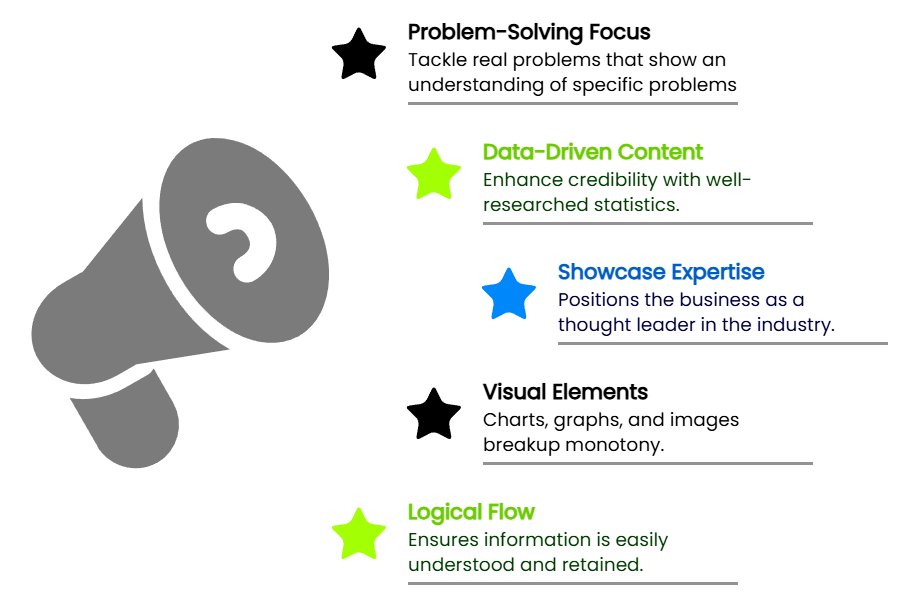
Effective white papers are essential for successful B2B lead generation strategies. They serve as authoritative resources that address specific challenges faced by the target audience. The main focus of any business white paper should be solving problems. By targeting specific pain points and offering well-researched solutions, companies can engage potential leads more effectively.
Problem-Solving Focus
A white paper that tackles real-world problems shows a deep understanding of the industry and builds trust among readers. Here’s how to achieve this:
- Identify common issues within your sector.
- Provide actionable solutions backed by thorough research.
- Include case studies to illustrate successful implementations.
Data-Driven Content
Including data-driven content is crucial for enhancing credibility. Well-researched statistics, charts, and graphs not only support your claims but also provide valuable insights that resonate with potential leads. Here are some tips:
- Use reliable sources to back your data.
- Present statistics in an easy-to-understand format.
- Highlight key takeaways for busy executives.
Showcasing Expertise
A well-crafted company white paper does more than solve problems; it showcases expertise and positions the business as a thought leader in its industry. This dual approach—problem-solving paired with authoritative insights—captures attention and builds brand credibility.
Writing Tips for Effective White Papers
Creating a compelling white paper requires careful planning and execution:
- In-depth Research: Dive deep into the subject matter to provide comprehensive insights.
- Clear Structure: Organize content logically, starting with an introduction that outlines the problem, followed by detailed sections offering solutions, and concluding with actionable recommendations.
- Engaging Tone: Maintain a professional yet conversational tone to keep readers engaged.
Design and Formatting Best Practices for White Papers
Design plays a crucial role in keeping readers interested. A visually appealing white paper enhances engagement and ensures key messages are effectively communicated.
Layout and Readability
A clean layout with ample white space significantly improves readability:
- White Space: Use margins and spacing to prevent text from appearing cluttered.
- Typography: Select legible fonts and appropriate sizes.
Visual Elements
Visuals such as charts, graphs, and images enrich the content and break monotony:
“A picture is worth a thousand words.”
- Charts & Graphs: Simplify complex data.
- Images: Complement text without overwhelming it.
Clear Headings & Bullet Points
Effective white papers utilize clear headings and bullet points to break down complex information:
- Headings: Guide readers through the document.
- Bullet Points: Highlight key insights succinctly.
Logical Flow
A logical flow ensures that information is easily comprehensible and retained:
- Begin with a compelling introduction that outlines the issue.
- Progress through sections systematically addressing each aspect of the problem.
- Conclude with practical solutions or recommendations.
Creating high-performing white papers involves blending insightful content with engaging design elements to produce documents that not only inform but also captivate potential leads.
Additionally, leveraging niche-relevant backlinks can significantly improve SEO performance, driving more traffic to these high-quality resources.

Promoting White Papers for Maximum Reach
Distributing white papers effectively requires a strategic approach to ensure they reach the right audience and generate valuable leads. Leveraging gated content is an essential tactic in this process. By requiring prospects to fill out a form before accessing the white paper, companies can collect contact information and qualify leads more efficiently.
Gated Content
- Landing Pages: Create dedicated landing pages with compelling calls-to-action (CTAs) and concise summaries of the white paper’s value. Ensure the form is short and straightforward to maximize conversions.
- Webinars and Events: Pair your white paper with webinars or live events. Attendees who register for these events are likely to be interested in related in-depth content.
- Email Marketing Strategies: Use targeted email newsletters to promote the white paper. Segment your email lists based on industry, job role, or past interactions to tailor the messaging and increase relevance.
Using social media promotions can amplify your reach significantly. Platforms like LinkedIn, Twitter, and Facebook allow you to target specific demographics and industries.
Social Media Promotions
- Sponsored Posts: Invest in sponsored posts to boost visibility among your target audience. Highlight key insights from the white paper and include a link to the landing page.
- Organic Sharing: Encourage employees and industry influencers to share the white paper on their personal profiles. Authentic recommendations can greatly enhance credibility.
- Hashtags and Groups: Utilize relevant hashtags and participate in industry-specific groups or forums. Sharing valuable content within these communities can drive significant engagement.
Additionally, creative approaches such as featuring animated white papers (like the one below) in promotional materials can add a unique touch that captures attention.
These strategies not only enhance distribution but also position your brand as a thought leader, driving traffic to your dedicated landing pages where potential leads can engage further with your high-quality resources.

Utilizing White Papers within a Content Marketing Funnel
White papers are invaluable assets within the content marketing funnel, guiding prospects from awareness to conversion. By addressing specific pain points and offering in-depth insights, marketing white papers nurture leads, providing them with the knowledge needed to make informed decisions.
Enhancing Credibility and Trust
Integrating white papers into your content strategy not only enhances credibility but also positions your brand as a thought leader. This approach fosters trust throughout the buyer’s journey:
- Awareness Stage: Introduce potential customers to industry challenges and solutions.
- Consideration Stage: Provide detailed analyses and data-driven insights that help prospects evaluate their options.
- Decision Stage: Offer case studies and success stories to reinforce your brand’s expertise.
Building Customer Trust
Building customer trust is paramount. Informative content that tackles real-world problems demonstrates your commitment to helping clients succeed. This trust translates into stronger relationships and a higher likelihood of conversion.
Seamless Integration into Broader Strategy
White papers fit seamlessly into a broader content marketing strategy, such as B2B content marketing. They serve as:
- Gated Content: Encourage prospects to share their contact details for access.
- Lead Magnets: Attract high-quality leads who are genuinely interested in your offerings.
Additional Resources
To create your own impactful white papers, consider these resources:
- HubSpot’s Guide to White Papers: Comprehensive tips on crafting effective white papers.
- Canva’s Design Templates: Easy-to-use templates for professional layouts.
Moreover, leveraging digital marketing strategies can significantly enhance the effectiveness of your content marketing funnel. Incorporating B2B digital marketing agency services can further elevate your business strategy, ensuring that your white papers reach the right audience and drive engagement and conversion effectively.

Measuring the Success of White Papers in B2B Lead Generation
Evaluating the effectiveness of white papers in driving B2B lead generation hinges on monitoring several key metrics.
1. Download Rates
Download rates serve as an initial indicator, reflecting the interest level and reach of your white paper. A higher download rate suggests that your content is resonating with your target audience.
2. Lead Quality
Lead quality is another essential metric. By examining the profiles of individuals who download your white paper, you can gauge whether you’re attracting high-potential leads. Metrics such as job titles, company size, and industry relevance offer insights into the caliber of prospects engaging with your content.
3. Engagement Post-Download
Tracking engagement post-download provides a deeper understanding of prospect behavior. Tools like marketing automation platforms can help monitor:
- Time spent on reading: How long users spend reading your white paper can indicate their level of interest and engagement.
- Click-through rates (CTRs): Analyze how many readers click on embedded links within the white paper to explore further information or resources.
- Follow-up actions: Observe if readers progress to other stages in your sales funnel, such as subscribing to newsletters, registering for webinars, or requesting demos.
Combining these metrics offers a comprehensive view of how white papers drive B2B lead generation. Strategic adjustments based on these insights ensure continuous optimization and better alignment with your business goals.

Conclusion: Harnessing the Power of White Papers for B2B Lead Generation Success
White papers are strategic tools for lead generation, essential to a strong marketing strategy. They do more than provide detailed insights; they shape purchase decisions and guide potential clients through their buying process. By using white papers, businesses can:
- Position themselves as experts in their industry.
- Provide authoritative content that educates and informs.
- Build trust and credibility with targeted audiences.
View white papers not just as documents but as crucial components in your overall lead-generation efforts. Their worth lies in their capability to attract, engage, and nurture leads, steering them towards conversion through well-researched, data-driven content. Adopting this method guarantees an active and effective lead-generation strategy that resonates with B2B audiences.
Additionally, incorporating advanced tools such as AI Chat widgets on your website can greatly improve user engagement and conversion rates. These lead-generation tactics not only simplify the process but also lead to higher sales. Keep in mind, that the path to successful lead generation involves not only producing captivating content like white papers but also effectively using innovative tools.

FAQs (Frequently Asked Questions)
What are white papers and why are they significant in B2B marketing?
White papers are in-depth, authoritative documents that educate potential customers on specific topics. They are significant in B2B marketing as they showcase a company’s expertise and thought leadership, helping to attract and engage potential clients seeking reliable information.
How do white papers contribute to lead generation?
White papers play a critical role in lead generation by establishing thought leadership and nurturing leads through the sales funnel. They provide valuable insights that guide prospects in their decision-making process and serve as effective gated content, encouraging prospects to share their contact information for access.
What are the key components of an effective white paper?
Effective white papers should focus on problem-solving by addressing specific challenges faced by the target audience. Incorporating data-driven content enhances credibility, while a well-crafted design and formatting improve engagement and readability. Clear headings, bullet points, and visuals also contribute to a more digestible presentation of information.
What strategies can be used to promote white papers for maximum reach?
To promote white papers effectively, consider using gated content and targeted email newsletters. Additionally, leveraging social media promotions can drive traffic to dedicated landing pages, expanding the reach of your white paper among potential leads.
How do white papers fit into the content marketing funnel?
White papers are integral to the content marketing funnel as they address specific pain points and provide in-depth insights that nurture leads from awareness to conversion stages. By integrating them into your content strategy, you enhance credibility and build customer trust throughout the buyer’s journey.
What metrics should be tracked to measure the success of white papers in lead generation?
Key metrics for evaluating the success of white paper campaigns include download rates and lead quality. Additionally, tracking engagement and prospect behavior post-download can provide valuable insights into the effectiveness of your white paper as a lead generation tool.
Share this post:


