

- Introduction to Web-Design Trends
- 1. AI-Driven Design
- 2. Micro-Interactions and Motion Effects
- 3. Custom Illustrations and Unique Typography
- 4. Dark Mode and Minimalist Aesthetics
- 5. Gamification Elements
- Conclusion
- FAQs (Frequently Asked Questions)
Introduction to Web-Design Trends
In today’s digital world, businesses need to stay competitive by keeping up with changing website design trends. In 2025, companies that embrace new ideas will not only improve their online presence but also experience significant growth. An outdated website can turn away potential customers and harm brand perception, so it’s crucial to stay updated with the latest trends.
AVILeadGen is a strategic partner for businesses looking to incorporate innovative design elements into their websites. With expertise in the latest technologies and design practices, AVILeadGen helps organizations create engaging and user-friendly platforms tailored to their target audiences.
This article will explore the Top 5 Website Design Trends to Boost Your Business in 2025, focusing on:
- AI-driven design
- Micro-interactions and motion effects
- Custom illustrations and unique typography
- Dark mode and minimalist aesthetics
- Gamification elements
By implementing these 2025 website design trends, businesses can position themselves for success, enhance user experience, and drive engagement.
However, it’s important to note that website design is just one part of a successful online strategy. Incorporating niche relevant backlinks into your SEO efforts is equally crucial. These backlinks not only improve your website’s visibility but also drive targeted traffic, further enhancing your online presence. Therefore, while you work towards creating a more impactful web presence with the latest design trends, remember to also focus on implementing effective niche relevant backlink strategies for optimal results.
1. AI-Driven Design
AI-driven design is a game-changing approach in web development that uses artificial intelligence to create websites that adapt to user behavior and preferences in real-time. By analyzing data patterns, AI can customize content and layout to improve user engagement and provide more personalized experiences.
How AI-Driven Design Works
Here’s a breakdown of how AI-driven design works:
- Data Analysis: AI algorithms analyze user interactions, preferences, and demographic information.
- Dynamic Adaptation: Websites adjust content presentation based on individual user profiles, leading to relevant recommendations and layouts.
- Continuous Learning: Machine learning models continuously evolve by integrating new data, improving the accuracy of predictions over time.
Benefits of Incorporating AI Technologies
Integrating AI technologies into website design offers several advantages:
- Personalized Experiences: Users receive customized content and recommendations that align with their interests.
- Enhanced User Experience: AI-driven interfaces adapt in real-time, reducing bounce rates and increasing time spent on the site.
- Increased Conversion Rates: Personalized interactions can lead to higher engagement levels, translating into improved sales opportunities.
Real-World Examples
Several companies have successfully integrated AI-driven design elements:
- Amazon:
- Utilizes sophisticated algorithms for product recommendations based on browsing history and purchase behavior.
- Customizes the homepage layout according to individual user preferences.
- Netflix:
- Employs an advanced recommendation engine that curates content tailored to viewing habits.
- Adapts thumbnail images based on user engagement patterns to increase click-through rates.
- Spotify:
- Uses machine learning algorithms for generating personalized playlists like “Discover Weekly.”
- Analyzes listening habits to recommend new music tailored to individual tastes.
Adopting AI-driven design not only enhances the functionality of a website but also significantly contributes to creating engaging and memorable user experiences. This innovative approach positions businesses at the forefront of digital interaction strategies while delivering tangible outcomes in growth and retention.
However, it’s essential to combine these advanced techniques with other crucial aspects of web design, such as color psychology which can significantly impact branding and user experience. Furthermore, implementing SEO-friendly web design tactics can optimize websites for search engines while providing excellent user experiences.
Exploring Generative AI Use Cases
The potential of generative AI extends beyond just web design. A recent article discusses 321 real-world generative AI use cases from industry leaders, showcasing how various sectors are leveraging this technology for transformative results.
Lastly, businesses must also consider whether a DIY vs professional web design approach is best suited for their specific needs.
2. Micro-Interactions and Motion Effects
Micro-interactions are small, subtle animations that improve the user experience by providing feedback and guidance during interactions on a website. These elements are crucial for increasing user engagement and making the browsing experience more intuitive and enjoyable. Motion effects, which often accompany micro-interactions, add an extra layer of depth to web design by creating a dynamic visual environment.
Types of Micro-Interactions
There are several types of micro-interactions that can greatly enhance user engagement:
- Button Hover Effects: These animations provide instant visual feedback when users hover over a clickable element. A simple change in color or size can encourage users to take action.
- Loading Animations: Instead of showing a static loading screen, using creative animations keeps users informed about the loading process, reducing frustration during wait times.
- Form Validation Feedback: Real-time validation messages for form inputs guide users through errors or confirmations, increasing the likelihood of successful submissions.
Case Studies
Many successful websites effectively use micro-interactions and motion effects:
- Dropbox: The use of progress indicators during file uploads not only informs users but also enhances satisfaction through clear communication.
- Slack: Their subtle notification animations create a sense of urgency while remaining visually appealing, ensuring users stay engaged with real-time updates.
By incorporating these elements into web design, an engaging atmosphere is created that encourages exploration and interaction. As businesses strive to make their websites stand out in a competitive landscape, it becomes essential to leverage micro-interactions and motion effects in order to enhance user satisfaction and drive conversion rates.
3. Custom Illustrations and Unique Typography
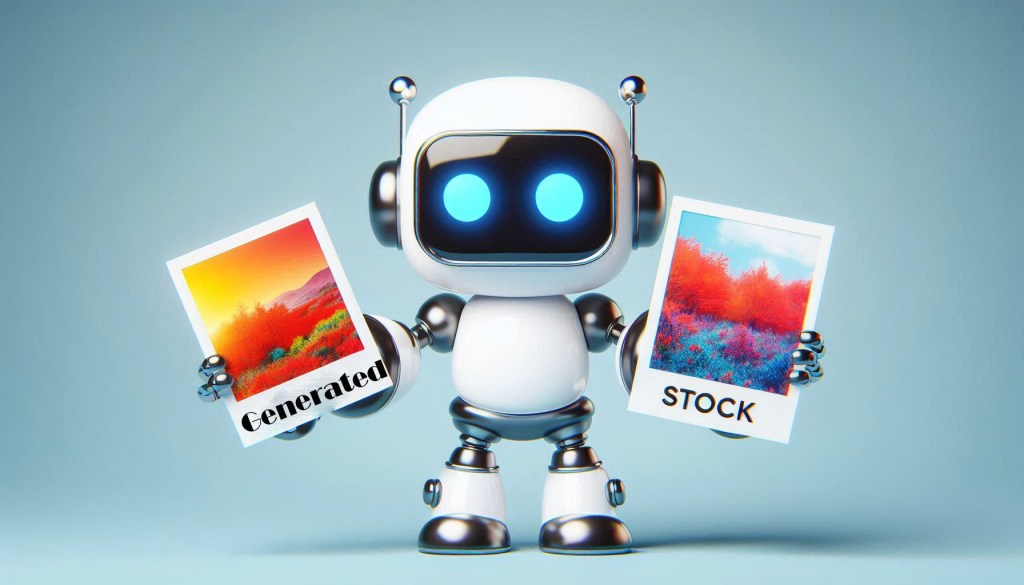
The digital landscape is evolving, with a marked shift towards custom illustrations over traditional stock images. This trend allows brands to convey their unique personality more effectively, creating a distinct identity that resonates with their audience.
Benefits of Custom Illustrations
- Brand Personality: Custom illustrations can embody the essence of a brand, providing a visual narrative that aligns perfectly with its values and mission.
- Originality: Unlike stock images, which may be used by multiple companies, custom designs ensure exclusivity, making websites stand out.
Unique Typography
Typography plays a crucial role in web design. The choice of typeface not only impacts readability but also influences user perception. Implementing unique typography can enhance visual appeal and contribute to brand recognition.
- Impactful Communication: Bold and oversized fonts can create striking hero areas that capture attention instantly.
- Differentiation: Distinctive typography sets brands apart from competitors by establishing a recognizable style.
Real-World Examples
Several brands have successfully harnessed the power of custom illustrations and unique typography:
- Mailchimp: Their playful illustrations reflect their friendly brand personality, making the platform approachable for users.
- Dropbox: By utilizing custom graphics alongside clean typography, they effectively communicate complex ideas in an engaging manner.
As businesses seek to differentiate themselves in a crowded marketplace, integrating custom illustrations and unique typography emerges as an essential strategy. This approach not only enhances aesthetic appeal but also strengthens brand identity, fostering deeper connections with users. Embracing these elements is vital for any company aiming to thrive amidst the 5 Unexpected Website Design Trends to Dominate the Competition.

4. Dark Mode and Minimalist Aesthetics
The rise of dark mode as a preferred option for website users reflects a shift in design philosophy. This feature not only caters to personal preferences but also offers tangible benefits for eye comfort, especially during prolonged viewing sessions. Users find that dark backgrounds reduce glare, making text easier to read in low-light environments. The appeal of dark mode extends beyond aesthetics—it enhances focus on content by minimizing distractions.
Minimalist aesthetics play a crucial role in modern web design. Key principles include:
- Simplicity: Stripping away unnecessary elements allows users to concentrate on the essential aspects of the site.
- Clarity: Clean layouts promote intuitive navigation, reducing cognitive load and enhancing user experience.
- Whitespace: Ample spacing around text and images creates a sense of balance and improves readability.
When combined, dark mode and minimalist aesthetics significantly enhance usability across various devices. Websites adopting these approaches often feature:
- Reduced visual clutter that guides users toward actionable items
- Improved loading times due to less complex graphics and animations
- Increased accessibility for users with visual impairments
Brands embracing dark mode alongside minimalist design report higher engagement rates and lower bounce rates. By fostering an environment that is comfortable and easy to navigate, businesses can create memorable digital experiences tailored to their audience’s needs.
Incorporating these trends into your web design strategy not only aligns with user preferences but also positions your brand as forward-thinking and responsive. As the digital landscape evolves, investing in dark mode and minimalist aesthetics may provide the competitive edge necessary for sustained growth and success.

5. Gamification Elements
Gamification incorporates game-like features into web design, transforming user interaction into an engaging experience. This trend facilitates deeper connections between users and websites by integrating elements such as rewards, challenges, and interactive storytelling.
Advantages of Gamification in Web Design
- Increased Engagement: By introducing competition and rewards, users are more likely to interact with the website frequently.
- Enhanced User Experience: Interactive elements create a fun environment, encouraging visitors to explore the site thoroughly.
- Improved Retention Rates: Users are inclined to return when they know there are ongoing challenges or new rewards available.
Real-World Applications
Many brands have successfully harnessed gamification elements in their designs:
- Duolingo: Language learning becomes enjoyable through levels, badges, and daily challenges.
- Fitbit: Users compete with friends for fitness achievements, motivating them to stay active.
Incorporating gamification not only elevates user experience but also drives business growth.
Conclusion
In 2024, staying ahead in the digital space requires more than just a functional website—it’s about delivering an exceptional user experience that resonates with your audience. By incorporating mobile-first design, custom content, clean layouts, interactive elements, fast load times, and AI-powered personalization, your website can not only attract visitors but convert them into loyal customers.
At AVI Lead Gen, we specialize in crafting custom web designs that are both visually stunning and performance-driven. Whether you’re looking to refresh your current site or build something from the ground up, our team has the expertise to bring your vision to life. Get in touch with us today to learn how we can help your business succeed online.

FAQs (Frequently Asked Questions)
Why is it important to keep up with website design trends?
Keeping up with website design trends is crucial for businesses to remain competitive in the market. Modern design trends not only enhance user experience but also help in attracting and retaining customers, ultimately boosting business growth.
What is AI-driven design and how does it benefit websites?
AI-driven design refers to the integration of artificial intelligence technologies in web development to create personalized and dynamic user experiences. It adapts to user behavior, improving engagement and satisfaction. Successful implementations can be seen in various real-world websites that utilize AI for tailored content delivery.
What are micro-interactions and how do they enhance user engagement?
Micro-interactions are small, subtle animations or feedback mechanisms that occur during user interaction on a website, such as button hover effects or loading animations. They play a significant role in enhancing user engagement by making browsing more enjoyable and intuitive.
How do custom illustrations and unique typography contribute to brand identity?
Custom illustrations replace generic stock images, allowing brands to convey their personality more effectively. Unique typography choices create visually striking designs that differentiate a brand from its competitors, reinforcing brand identity through distinct visual elements.
What are the benefits of dark mode and minimalist aesthetics in web design?
Dark mode offers users comfort during prolonged viewing sessions by reducing eye strain. Minimalist aesthetics focus on simplicity and clarity, enhancing usability across devices. Together, they create visually appealing designs that improve overall user experience.
What is gamification in web design and why is it beneficial?
Gamification in web design involves incorporating game-like elements into websites to enhance user interaction. This approach can significantly drive engagement levels over time by making interactions more enjoyable and rewarding for users.
Share this post:


