

Introduction to On-Page SEO
SEO for designers is an essential part of web design in today’s online world. Customizing strategies specifically for designers will greatly influence your website’s visibility and user experience. By incorporating on page SEO from the beginning of the design process, designers can build websites that are not only aesthetically pleasing but also perform well on search engines.
On-page SEO is the key to effective optimization, concentrating on factors within the webpage itself to boost search engine rankings. In this article, we will uncover five on-page optimization secrets that you can put into practice right away to improve your websites’ performance and user engagement.
Understand On Page SEO for Designers
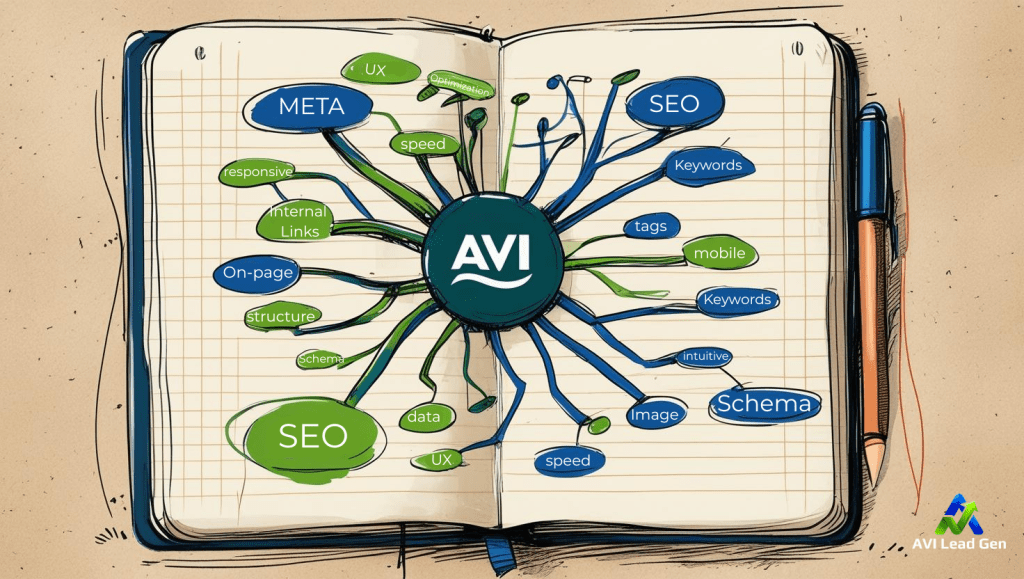
On page SEO refers to the deliberate optimization of individual web pages to improve their search engine rankings and drive targeted traffic. This includes refining visible content and underlying HTML elements such as titles, headers, meta tags, URLs, and images. Successful website optimization hinges on these factors, shaping how search engines interpret and rank a page.
Distinguishing between on-page and off-page SEO clarifies scope:
- On-page SEO: Actions taken directly within the website.
- Off-page SEO: External efforts like backlinks and social signals.
Designers hold a pivotal role in implementing on-page SEO from the outset because they control core structural elements influencing rankings and user experience. Integrating these best practices during design ensures seamless incorporation of keywords, optimized content hierarchy, responsive layouts, and technical precision—all essential for effective optimization for web designers. This proactive approach reduces costly revisions later and elevates site performance from launch.
1. Strategic Keyword Optimization in Web Design
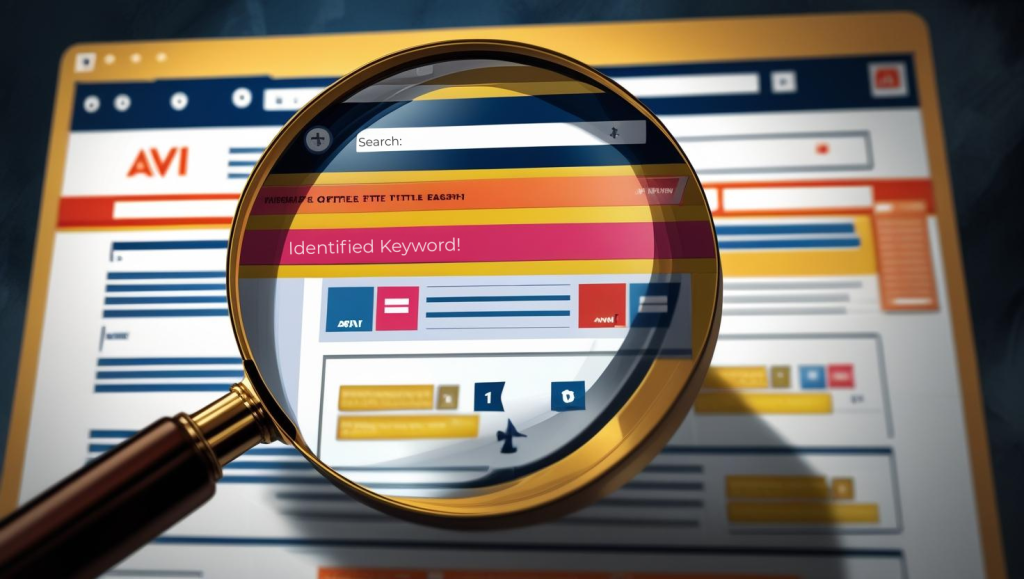
Effective keyword optimization involves identifying relevant keywords that align with the target audience’s search intent. Leverage powerful keyword research tools such as Ahrefs, Semrush, and Moz to enable you to uncover high-value terms, discover search volume trends, and analyze competitor strategies. These insights empower the creation of content that resonates with users and ranks well on search engines.
Subscribe to our weekly newsletter below and we’ll send you updates and noteworthy digital marketing articles directly to your email, cancel anytime. In addition we’ve included a link to our New Business Owner’s Quick Start Guide for your reference. Sign up below for the link.
Incorporate keywords strategically into key on-page elements to enhance search results without compromising design integrity:
- Titles: Craft concise, descriptive titles embedding primary keywords to signal page relevance.
- Headings (H1, H2, H3): Use keywords naturally in headers to establish a clear content hierarchy and reinforce topical focus.
- URLs: Create clean, readable URLs featuring target keywords to improve crawlability and user trust.
- Content: Integrate keywords contextually within the body text, maintaining a conversational tone that prioritizes clarity and engagement.
Avoiding keyword stuffing is critical. Overloading pages with repetitive keywords undermines readability and risks penalties from search engines. Instead, balance on page SEO objectives with user experience by focusing on semantic variations, long-tail phrases, and natural language usage. This approach supports both discoverability and meaningful interactions with your audience.

2. Structure Content with Header Tags for Better Results
Header tags form the backbone of effective content structure, ensuring both search engines and users can navigate your website effortlessly. Implementing a clear hierarchy with H1, H2, and H3 tags organizes information logically:
- H1 represents the main topic of the page and should be unique.
- H2 breaks down primary sections under the H1.
- H3 dives deeper into subtopics within each H2.
This hierarchy guides search engines in understanding page topics, reinforcing relevance to targeted keywords while improving user experience. Proper use of header tags signals content priorities and relationships that influence ranking algorithms.
Craft descriptive, keyword-rich headers with precision without sacrificing design aesthetics. Keep these guidelines in mind:
- Integrate primary and secondary keywords naturally to enhance search value.
- Maintain concise yet informative phrasing that draws readers’ attention.
- Use consistent typography and spacing styles aligned with your visual design.
- Avoid stuffing headers with excessive keywords—clarity trumps quantity.
Execute header tags SEO strategically to elevate content clarity and accessibility. Designers mastering this technique create pages that resonate well with search engines and deliver intuitive navigation for visitors. This synergy between content structure and user experience exemplifies why designers hold the key to unlocking on page SEO success.

3. Craft Effective Meta Descriptions That Drive Clicks
Meta descriptions are crucial elements that significantly impact a website’s visibility and click-through rates. These brief snippets play a vital role in search engine result pages by providing users with a preview of the content on the page. Crafting effective meta descriptions involves strategically incorporating target keywords to enhance relevance and attract the target audience.
When creating meta descriptions, it is essential to keep them concise, compelling, and relevant to the page’s content. By aligning meta descriptions with the search intent of users, you can improve click-through rates and drive organic traffic to your website. Additionally, well-crafted meta descriptions not only influence user behavior by enticing them to click but also contribute to enhancing the overall visibility of your website in search results.
Designers should view meta descriptions as valuable real estate for engaging with potential visitors and encouraging them to explore further. By optimizing meta descriptions with relevant keywords and captivating language, designers can effectively communicate the essence of the page’s content while maximizing its impact on search performance.

4. Optimize Images for Accessibility and Speed
Effective image optimization balances accessibility, search visibility, and website performance. Image alt text plays a crucial role by providing descriptive, keyword-rich explanations that assist screen readers and improve ranking in image search results. Craft alt text that clearly conveys the image’s content while naturally integrating target keywords to avoid over-optimization.
Importance of File Naming Conventions
File naming conventions contribute significantly to on page SEO. Use descriptive, hyphenated filenames incorporating relevant keywords that reflect the image’s subject matter. For example, modern-web-design-hero-banner.jpg is far more effective than IMG_1234.jpg. This practice enhances crawlability and provides context to search engines.
The Role of Image Compression Techniques
Implementing image compression techniques without compromising visual quality is essential for fast-loading pages—an important ranking factor tied to Core Web Vitals. Utilize tools like TinyPNG, ImageOptim, or built-in CMS optimization features to reduce file size. Prioritize formats such as WebP or AVIF where supported, as they offer superior compression rates compared to traditional JPEG or PNG files.
Resizing Images for Optimal Performance
Resizing images to match display dimensions prevents unnecessary data transfer. Avoid scaling large images via HTML or CSS; instead, serve appropriately sized assets tailored for desktop and mobile devices through responsive image techniques (srcset, sizes attributes). This strategy optimizes bandwidth usage while maintaining sharp visuals across all platforms.
By implementing these practices, you can ensure that your images contribute positively to both user experience and search metrics, reinforcing the overall effectiveness of your website.
5. Enhance Technical Design Elements
Implementing responsive design principles is essential for modern on page SEO best practices. Mobile-friendliness relies on fluid grids, flexible images, and adaptable layouts that ensure consistent performance across devices. Designers must prioritize these elements to cater to diverse screen sizes and resolutions, enhancing accessibility and engagement.
Optimizing Site Speed for Search Rankings
Site speed directly influences search rankings and user retention. Optimizing technical components aligned with Core Web Vitals metrics—specifically Largest Contentful Paint (LCP) and Cumulative Layout Shift (CLS)—is critical. LCP measures loading performance by identifying when the main content becomes visible, while CLS tracks unexpected layout shifts that disrupt user experience. Techniques like asynchronous loading of scripts, minimizing render-blocking resources, and efficient caching significantly improve these metrics.
Crafting Clean URLs for Better User Experience
Clean, descriptive URLs serve both users and search engines effectively. Integrating target keywords into URLs enhances readability and click-through rates, supporting a logical site hierarchy. Avoid complex parameters or unnecessary characters that confuse crawlers or users navigating your site.
Enhancing Search Visibility with Structured Data
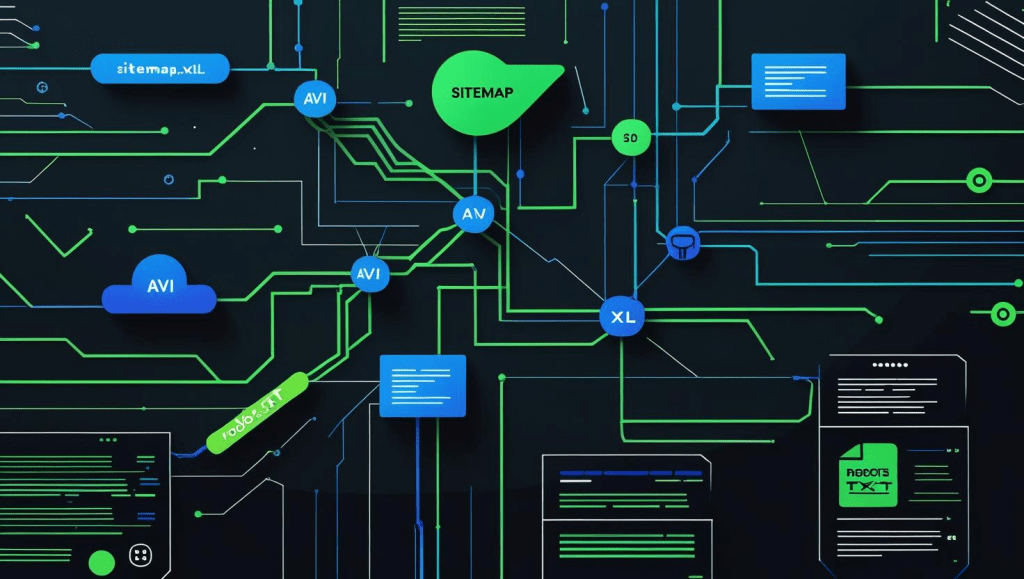
Leveraging structured data/schema markup enables search engines to better understand page content contextually. Adding schema elements such as product information, reviews, or event details enriches search snippets with enhanced features like rich cards or knowledge panels—boosting visibility and click potential.
SEO for designers means mastering these technical design elements to create websites that are fast, intuitive, and crawl-friendly without sacrificing aesthetic integrity or user experience quality.

Integrate User Experience (UX) with On-Page SEO
Design intuitive navigation, which is a key element in combining effective SEO and UX. Navigation should support internal linking strategies that spread out page authority while making it easy for users to move through the site. Clear menus, breadcrumb trails, and contextual links create a smooth user journey that search engines see as a positive ranking signal.
Accessibility compliance requires careful attention to color contrast and font choices. High contrast between text and background improves readability for all users, including those with visual impairments. Choosing clear fonts at suitable sizes promotes inclusivity and meets accessibility standards like WCAG, which search engines are increasingly prioritizing. For more insights on achieving web accessibility, consider exploring resources that delve deeper into this topic.
Forms are crucial for engaging users and increasing conversion rates. Make forms simpler by reducing the number of fields and placing important information where it’s easily visible—this grabs attention right away without needing to scroll. Streamlined forms make it easier for users to complete them, leading to better results for your business.
On page SEO factors for success:
- Navigation design that benefits both users and search engine crawlers
- Color contrast and typography optimized for readability and accessibility compliance
- Form simplification with strategic placement of critical content to boost engagement
Combining these UX principles with on-page SEO optimization tips improves website performance by meeting user needs and satisfying search engine requirements, laying the groundwork for long-term growth.

Conclusion
It’s important to implement these techniques during the design phase rather than after launch. This proactive approach will help you create a website that is both visually appealing and user-friendly from the start.
Remember to strike a balance between aesthetics and functionality. While it’s essential to have an attractive design, it’s equally important to ensure that your website is easy to navigate and provides a seamless user experience. By achieving this balance, you’ll not only improve your search engine rankings but also keep your visitors engaged and satisfied.
If you would rather, AVI Lead Gen can take the guess work out of your web design and SEO. With our years of experience in the industry we are an obvious choice for any business looking to improve or create their online presence. Book an appointment today and one of our web design experts will discuss your needs for your specific business.
FAQs (Frequently Asked Questions)
Why is SEO specifically important for web designers during the design process?
Web designers who are integrating SEO early in the design process enhance website visibility and user experience. By considering search from the start, designers can create websites that are both aesthetically pleasing and optimized for search engines, leading to better rankings and increased traffic.
What is on-page SEO and how does it differ from off-page SEO in web design?
On-page SEO refers to optimizing elements within a website such as content, header tags, meta descriptions, and images to improve search engine rankings. It differs from off-page SEO, which involves external factors like backlinks. Designers play a critical role in implementing on-page SEO since it directly relates to the website’s structure and content.
How can designers effectively incorporate keywords into their web designs without compromising readability?
Designers should use strategic keyword optimization by researching relevant keywords with tools like Ahrefs, Semrush, or Moz. Keywords should be naturally integrated into titles, headings (H1, H2, H3), URLs, and content while avoiding keyword stuffing. This balance ensures readability remains high and enhances SEO performance.
What role do header tags play in structuring content for better search results in web design?
Header tags (H1, H2, H3) establish a logical content hierarchy that helps search engines understand page topics clearly. Proper use of descriptive and keyword-rich headers improves both user experience and SEO by making content easier to navigate without compromising design aesthetics.
How can image optimization improve both accessibility and site speed for better SEO?
Optimizing images by writing descriptive alt text with relevant keywords enhances accessibility for users with disabilities and boosts image search rankings. Additionally, using image compression techniques and strategic file naming reduces load times without sacrificing quality, improving overall site speed which benefits Core Web Vitals metrics.
What technical design elements should designers focus on to boost search results effectively?
Designers should ensure mobile-friendliness through responsive design principles like fluid grids and flexible images. They should also optimize site speed aligned with Core Web Vitals metrics such as Largest Contentful Paint (LCP) and Cumulative Layout Shift (CLS). Implementing clean URLs with keywords and structured data/schema markup further enhances SEO performance.


