

Introduction
Storytelling in web design is a powerful tool that goes beyond just being functional. It allows businesses to connect with their audience on a deeper, emotional level. By incorporating stories into a website, we can create strong connections with users, leading to increased engagement and loyalty.
The art of storytelling in web design turns ordinary pages into immersive experiences that captivate visitors and leave a lasting impression. With brand stories, websites can do more than just share information – they can also evoke feelings and inspire meaningful interactions.
In this article, we will explore the world of storytelling web design. We’ll discuss how creating compelling brand narratives can enhance user experiences and contribute to your success.

Understand Storytelling Web Design
Storytelling in web design goes beyond just showing content. It’s a strategic approach that uses storytelling techniques to take people on an engaging journey through your website. This method, called storytelling web design, combines both written and visual elements to create an immersive experience that reflects your brand’s identity.
The Role of Brand Narrative in Web Design
At its heart, storytelling web design involves creating a brand narrative UX that deeply connects with visitors. This story is conveyed not only through text but also through a carefully chosen combination of visual language elements:
- Typography: The choice of fonts conveys personality and tone, whether authoritative, playful, or elegant.
- Color Schemes: Colors evoke emotions and set the atmosphere; for example, blue communicates trust while vibrant hues energize and inspire.
- Imagery: Photographs, illustrations, and icons enrich the story by illustrating key messages and creating visual anchors.
These elements work together to create a consistent mood that supports the story you want to tell.
The Importance of Aligning Brand Values with Audience Expectations
A crucial part of successful storytelling web design is making sure there is a connection between your brand values and what your target audience expects. Without this connection, even the most visually impressive websites may miss their goal. Every design choice—from how the layout flows to interactive features—must stay true to genuine brand principles while also considering user needs and preferences.
This thoughtful approach makes sure that users not only get your message but also feel a personal connection to it. Building this connection through brand narrative UX transforms your website from just being a practical tool into an unforgettable experience that encourages interaction and loyalty.

Craft a Cohesive Brand Narrative UX
Crafting a cohesive brand narrative is essential for establishing a strong connection with your audience. Identify and reflect your brand’s core values through storytelling, you can create a compelling narrative that resonates with people on a deeper level. This process involves delving into what makes your brand unique and translate those values into a coherent story that captivates.
Understand Your Target Audience
Knowing your target audience is equally critical when creating a brand narrative that truly resonates. Gain insights into the preferences, behaviors, and needs of your audience, you can tailor your story to evoke the desired emotions and responses. This personalized approach ensures that your narrative aligns with your brand essence and speaks directly to the hearts and minds of your target customers.
Weave Together Brand Values and Audience Insights
Weave together your brand values and audience insights, you can create a cohesive brand narrative that will engage people and drive meaningful connections and interactions. This strategic alignment forms the foundation for a compelling storytelling experience that leaves a lasting impression on visitors, fostering brand loyalty and advocacy.

Use Narrative Structure for Effect
Implement a traditional storytelling structure within your web content to significantly enhance user engagement and comprehension. By following a classic narrative arc of a beginning, middle, and end, you can guide visitors through a cohesive and engaging story that resonates with them on a deeper level.
Apply a Classic Narrative Arc
- Beginning: Introduce the main characters or elements of your story. Set the scene and establish the context in which your brand operates.
- Middle: Present the challenges or conflicts faced by your brand. This is where you can showcase how your products or services come into play, highlighting their unique features and benefits.
- End: Conclude the story by resolving the conflicts and demonstrating the positive impact your brand has made. This could be in the form of customer testimonials, success stories, or case studies.
Tips for Compelling Introductions
Write captivating introductions to hook visitors from the start. Start with a strong opening that grabs attention and sets the stage for what’s to come. Intrigue your audience by posing questions, sharing interesting facts, or presenting a compelling scenario that draws them into the narrative.
Craft Satisfying Conclusions
Conclusions should leave a lasting impression on users, reinforcing the key messages of your brand narrative. Summarize the main points concisely, evoke emotions, or provide a call to action that prompts users to engage further with your website or brand.
Incorporate these storytelling techniques into your web design to create a seamless and immersive experience for people, ensuring that they not only interact with your content but also connect with the essence of your brand.
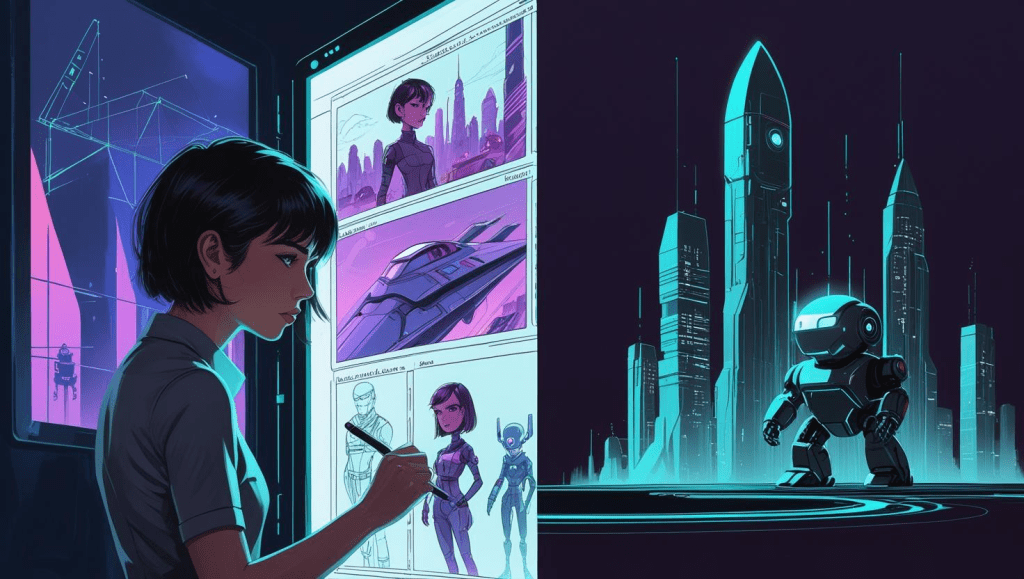
Enhance Storytelling Through Visual Design Elements
Visual design elements are powerful tools that can enhance your brand story and create immersive storytelling experiences on your website.
1. Color Schemes: Reflect Personality and Evoke Emotions
Strategic use of color schemes not only reflects brand personality but also evokes specific emotions that align with your story’s tone. For instance, a vibrant palette can communicate energy and innovation, while muted tones may convey sophistication and trust.
2. Typography: Establish Voice and Character
Typography choices go beyond readability; they establish voice and character. Select fonts that resonate with your brand identity—whether bold and modern or elegant and classic—helps people intuitively grasp the story you’re telling. Consistent typography contributes to a seamless narrative flow, reinforcing key messages at every scroll.
3. Imagery Selection: Anchor Narratives and Foster Relatability
Imagery selection plays a critical role in visual storytelling. High-quality photos, illustrations, or custom graphics act as narrative anchors, illustrating concepts and deepening emotional impact. Images that authentically represent your audience or product foster relatability and credibility.
4. Visual Hierarchy: Guide Attention and Support Comprehension
Implement visual hierarchy to guide visitors attention through deliberate placement, size, and contrast of elements. This ensures important story components stand out and people naturally navigate the content in the intended sequence. A well-crafted hierarchy balances text and visuals, supporting comprehension without overwhelming visitors.
Move further by incorporating multimedia strategies into your storyline, such as games, videos, and surveys. Together, these visual design components will craft an engaging atmosphere that communicates your brand’s story with clarity, emotion, and impact—transforming passive browsing into meaningful connection.

Write Authentic Content That Reflects Your Brand Personality
Authentic content is essential in web storytelling to ensure that your brand’s personality shines through and resonates with your audience. Use relatable language, share personal anecdotes, and feature customer stories, and create a compelling narrative that captivates people and strengthens their connection to your brand.
1. Importance of Authenticity
Maintain authenticity in your storytelling content for establishing genuine connections with people. When your content reflects your true brand values and beliefs, it becomes more relatable and trustworthy. People are more likely to engage with and remember stories that feel real and honest.
2. Relatable Language
Avoid jargon or complex terms that may alienate certain people. Instead, opt for simple and conversational language that creates a sense of familiarity. This approach makes your content more accessible and helps build trust with your followers.
3. Personal Anecdotes
Incorporating personal anecdotes into your web storytelling can have a powerful impact. Share stories from your own experiences to humanize your brand and add depth to the narrative. It allows people to connect on an emotional level, making the story more engaging and memorable.
4. Customer Stories
Sharing customer stories is another one of our impactful website storytelling tips. These stories showcase real experiences and provide social proof for potential customers. Highlight the positive outcomes or transformations that your products or services have brought about in people’s lives, you can evoke emotional responses from people while building credibility.
Incorporate these elements into your web storytelling strategy to help you craft authentic content that reflects your brand personality while also resonating with your audience.

Build Emotional Connections That Inspire Action
Emotional engagement strategies in web design transform passive visits into meaningful interactions that motivate people to take action. Story-driven design leverages narrative elements to create a sense of belonging and trust, key drivers for conversions such as sign-ups, purchases, or inquiries.
Core techniques include:
- Empathy through storytelling: Craft narratives that resonate with users’ experiences and aspirations. When visitors see their challenges reflected in your brand story, emotional bonds strengthen naturally.
- Visual cues that evoke feelings: Utilize color psychology, facial expressions in imagery, and micro-interactions to provoke emotions aligned with your brand’s message.
- Consistency in tone and voice: Authentic language combined with a coherent visual style reinforces credibility and deepens user connection.
- Call-to-action integration within the narrative: Embed CTAs seamlessly into the story arc, making the desired user action feel like a natural next step rather than an interruption.
Consider brands like Airbnb or Patagonia. Their websites don’t just present products; they invite users into a lifestyle story filled with purpose and community. This approach transforms visitors into advocates by creating emotional investments that drive behavior.
Strong emotional connections cultivated through storytelling design become the foundation for lasting loyalty and measurable business growth.

Conclusion
Engaging users with stories through web design transforms a website from a simple information source into an immersive brand experience. Storytelling in Web Design: Crafting Brand Narratives empowers businesses to build meaningful emotional connections that drive user engagement and loyalty.
Consider these key takeaways as you develop your own story-driven website:
- Embed your brand values authentically in every element of design and content.
- Use visual storytelling techniques—color, typography, imagery—to create atmosphere and reinforce your message.
- Structure your narrative thoughtfully with a compelling beginning, engaging middle, and memorable conclusion.
- Incorporate multimedia and interactive features to deepen user involvement without distraction.
- Prioritize authenticity in your voice to foster trust and relatability.
Taking deliberate steps to apply these strategies will not only captivate visitors but also nurture lasting relationships that inspire action. Your website can become a dynamic storyteller, reflecting your unique brand identity while cultivating growth and success.
Want to take the task of web design or digital marketing off your to-do list? Schedule an appointment with AVI Lead Gen and speak with a qualified expert.
FAQs (Frequently Asked Questions)
What is storytelling in web design and why is it important for businesses?
Storytelling in web design refers to the strategic use of narratives to create engaging and emotionally resonant websites. It goes beyond mere functionality by crafting brand narratives that captivate visitors, fostering lasting emotional connections and enhancing user engagement, which is crucial for business success.
How do visual language elements contribute to effective storytelling in web design?
Visual language elements such as typography, color schemes, and imagery play a vital role in setting the tone and atmosphere of your brand’s story. They help align the website’s aesthetic with your brand values and target audience, creating a cohesive and immersive storytelling experience that resonates with users.
Why is crafting a cohesive brand narrative essential in web design?
A cohesive brand narrative reflects your brand’s core values and essence, tailored specifically to your target audience. Understanding your audience deeply allows you to create stories that resonate effectively, making your website more impactful and strengthening the connection between your brand and its users.
How can applying a narrative structure enhance user engagement on websites?
Utilizing a classic narrative arc—comprising a beginning, middle, and end—helps organize web content logically and compellingly. Crafting engaging introductions hooks visitors early, while satisfying conclusions leave lasting impressions, ultimately improving comprehension and encouraging deeper user engagement.
What role does multimedia play in bringing brand stories to life on websites?
Incorporating multimedia elements like videos and animations adds depth and interactivity to your brand narrative. When used strategically, these features enrich the storytelling experience without overwhelming users, making your website more dynamic and memorable.
How can interactive storytelling features boost user involvement in web design?
Interactive elements such as quizzes or polls related to your brand narrative invite users to participate actively with your story. This enhanced involvement fosters deeper emotional connections and keeps visitors engaged longer, which can drive desired actions like sign-ups or purchases through story-driven design.
Share this post: