


- Introduction
- Understand Keyword Research
- Keyword Types to Know
- Free Research Process Step-by-Step
- Key Elements in Long-tail Keyword Research
- Balance Long-Tail and Head Terms
- Organizing Keywords for SEO Success
- Creating High-Quality Content That Ranks
- The Ongoing Process of Continuous Optimization
- Conclusion
- FAQs (Frequently Asked Questions)
Introduction
In today’s digital world, it’s crucial for small businesses to understand the importance of keyword research. This process helps businesses understand their customers better, optimize their content, and increase their visibility on search engines.
In this article, The Beginner’s Guide to Keyword Research for Small Business Success, we’ll cover:
- The basics of keyword research and how it affects SEO
- Relevant links to top SEO keyword tools
- The different types of keywords and why they matter in reaching audiences
- A detailed guide on how to do effective keyword research
- Tips on how to organize keywords and create top-notch content
By the end of this article, small business owners will have the knowledge they need to use keywords effectively, leading to more customer engagement and a stronger online presence.
Subscribe to our free weekly newsletter and receive our beginner’s guide to small business search engine optimization.
Understand Keyword Research
The importance of keywords for small businesses allows them to identify and analyze the specific words that prospects use to search for products or services. This foundational aspect of search engine optimization (SEO) helps businesses align their content with user intent and preferences.
Importance of small business search engine optimization
For small businesses, keyword research plays a critical role in digital marketing strategies. It allows companies to:
- Identify Target Audience: Understanding what terms potential customers are using enables businesses to tailor their offerings.
- Enhance Visibility: Implementing relevant keywords improves ranking on search engines, making it easier for customers to find them.
- Drive Traffic: Optimized content attracts organic traffic, ultimately leading to higher conversion rates.
How Research Drives Content Strategy
Long-tail keyword research informs content strategy by guiding businesses on:
- Content Creation: Keywords dictate what topics should be covered, ensuring relevance to audience queries.
- Optimization Techniques: Incorporating reserved words into titles, headers, and body text enhances discoverability.
- Long-Tail Keyword Research: Focusing on long-tail keywords—specific phrases with lower competition—can capture niche markets effectively, increasing the chances of engagement and conversions.
Understanding these elements empowers small businesses to create targeted strategies that resonate with their audience while maximizing online presence.

Keyword Types to Know
Understanding the various types of keywords is crucial for small businesses aiming to connect with their target audience effectively. Each reserved word type reflects a specific user intent, which can guide content strategy and marketing efforts. Here are the primary categories:
1. Informational Keywords
These reserved words are utilized by users seeking answers or information. Common examples include phrases like “how to” or “what is.” Businesses should create content that provides valuable insights or solutions related to these queries.
2. Navigational Keywords
Users employ these reserved words when looking for a particular website or page. For instance, someone searching for “Facebook login” intends to navigate directly to the Facebook platform. It’s essential for brands to ensure their site appears prominently in such searches.
3. Commercial Keywords
These indicate that users are considering making a purchase but are not yet ready to commit. Phrases like “best laptops” or “top running shoes” exemplify this category. Content should focus on comparisons, reviews, and informative guides.
4. Transactional Keywords
These reserved words reflect a clear intent to buy. Terms such as “buy shoes online” or “order pizza near me” signal readiness for conversion. Optimizing landing pages for these keywords can drive sales.
Recognizing and utilizing these keyword types enables small businesses to tailor their marketing strategies effectively, enhancing engagement and conversion rates.
There are six more types of keywords, some discussed in this article, and they are as follows:
- Seed keywords: Used to identify the website origins, these keywords are short and niche relevant. i.e. digital marketing, plumbing, cars
- Long-tail: longer phrases used to pinpoint searchers intent. i.e. affordable pet services near me
- short-tail: Typically one to two words in length and have high search volume. i.e. veterinary clinic
- primary: A focus for the website intended to be the main search focus. i.e. home security
- secondary: A branch from the primary kw this helps draw out more information for search engines to better relate the results. i.e. smart home security services
- Geotargeted: Used to help searchers find local institutions for their findings. i.e. Dallas, TX veterinary clinic
Free Research Process Step-by-Step
Keyword research is a systematic approach that involves several key steps to ensure effectiveness. This process helps small businesses identify the most relevant reserved words for their target audience, ultimately enhancing their visibility online.
There are many top SEO keyword tools like Semrush, which offer streamlined processes with user-friendly interfaces that companies may find advantageous. In the hopes of not turning this into another product review, however, we will focus solely on using free resources, while becoming familiar with the Google Ads platform.
Using Free Tools for Keyword Research
One of the most valuable tools available for small business owners is Google Keyword Planner. This free tool provides insights into reserved words performance, helping you make informed decisions about your SEO strategy.
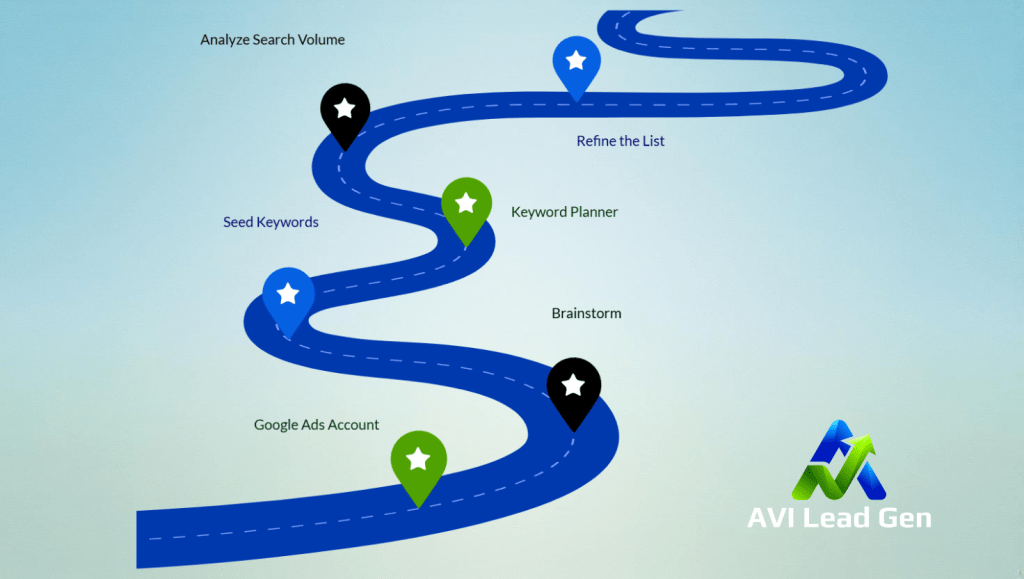
Steps to Utilize Google Keyword Planner:
- Create a Google Ads Account: Accessing Google Keyword Planner (tools -> planning -> keyword planner) requires a Google Ads account. If you don’t have one, setting it up is straightforward and free.
- Identify Topics: Start by brainstorming broad topics related to your business. Think about the services or products you offer and what potential customers might search for. These broad topics will form the foundation for generating more specific keywords.
- Seed Keywords Generation: From your identified topics, create a list of seed keywords. These are foundational terms that cover your main offerings. For instance, if you own a bakery, seed keywords might include “artisan bread,” “cupcake recipes,” or “gluten-free pastries.”
- Input Keywords into Google Keyword Planner: Enter your seed keywords into the tool. It will generate a list of related keywords along with metrics such as average monthly searches and competition levels. Pay attention to keywords that have a high search volume but relatively low competition; these often represent golden opportunities.
- Analyze Search Volume: Understanding search volume is crucial for assessing the potential traffic each keyword can drive to your website. Focus on selecting reserved words that not only align with your business goals but also demonstrate significant interest among users.
- Refine Your List: After analyzing the results, refine your keyword list by selecting those that best match your audience’s intent and needs. This refined list will serve as the basis for your content strategy moving forward.
By leveraging tools like Google Keyword Planner effectively, small businesses uncover valuable insights that shape their marketing strategies and enhance their online presence.
Analyzing Competitors for Keyword Opportunities
Understanding your competitors’ keyword strategies offers invaluable insights that can enhance your own approach to SEO.
Key steps in competitor analysis include:
- Examining Competitor Websites: Review the content and keywords utilized by top competitors within your industry. This can reveal what topics resonate with your target audience.
- Identifying Gaps: Look for keywords that your competitors rank for but you do not. These gaps represent potential opportunities to capture traffic.
- Assessing Performance: Analyze how well competitors perform on various reserved words. Tools such as Google Keyword Planner and other top SEO tools can assist in gathering data on search volume and competition levels.
By focusing on these aspects, small businesses can refine their keyword research process, ensuring they target relevant terms that align with user intent and market demand. This analysis forms a critical component of effective SEO strategies for small businesses, fostering growth and visibility.

Key Elements in Long-tail Keyword Research
Effective keyword research hinges on understanding these elements that influence your digital marketing success:
- Relevance of Keywords: Selecting keywords that align with user searches is paramount. Each selection should resonate with the intent behind a user’s query, addressing their needs and expectations. This alignment increases the likelihood of engaging potential customers.
- Role of Authoritative Content: Producing authoritative content is essential for improving search rankings. Google prioritizes high-quality, credible content, which not only builds trust with users but also enhances your site’s visibility. Establishing your business as an authority in your niche can significantly impact your SEO performance.
- Understanding Monthly Search Volume (MSV): The monthly search volume provides insights into a keyword’s traffic potential. Analyzing MSV helps identify which options are worth targeting based on their popularity. Balancing high-search-volume reserved words with less competitive long-tail keywords can create a robust strategy for driving traffic.
Incorporating these key elements into your keyword research process will strengthen your SEO strategies for small businesses, leading to better engagement and conversion rates.

Balance Long-Tail and Head Terms
Understanding the distinctions between long-tail keywords and head terms is essential for effective keyword strategy.
Key Differences
- Head Terms: These are typically short, generic keywords with high search volume. For instance, “shoes” represents a head term. While they attract significant traffic, competition levels are often fierce.
- Long-Tail Keywords: These are phrases that contain three or more words, such as “best running shoes for flat feet.” Although individual search volumes may be lower, they usually have less competition and cater to more specific user intent.
Advantages of Incorporating Both
Utilizing both long-tail keywords and head terms can provide a balanced approach in your SEO plan.
- Targeting Diverse Audiences: Long-tail keywords help capture niche markets by addressing specific queries, while head terms can attract broader audiences.
- Lower Competition with Long-Tail: By focusing on long-tail keyword research, small businesses can rank higher for less competitive phrases, driving targeted traffic without getting lost among larger competitors.
- Higher Conversion Rates: Users searching with long-tail keywords often exhibit stronger purchase intent. They are more likely to convert due to their precise needs.
Embracing this dual strategy enhances visibility and drives qualified traffic to your website while aligning with the goals outlined in our beginner’s guide to small business search engine optimization.
Organizing Keywords for SEO Success
The hub-and-spoke model is an effective strategy for organizing keywords and structuring your content. This approach allows businesses to create a clear hierarchy of information, enhancing both user experience and SEO performance.
Understanding the Hub-and-Spoke Model
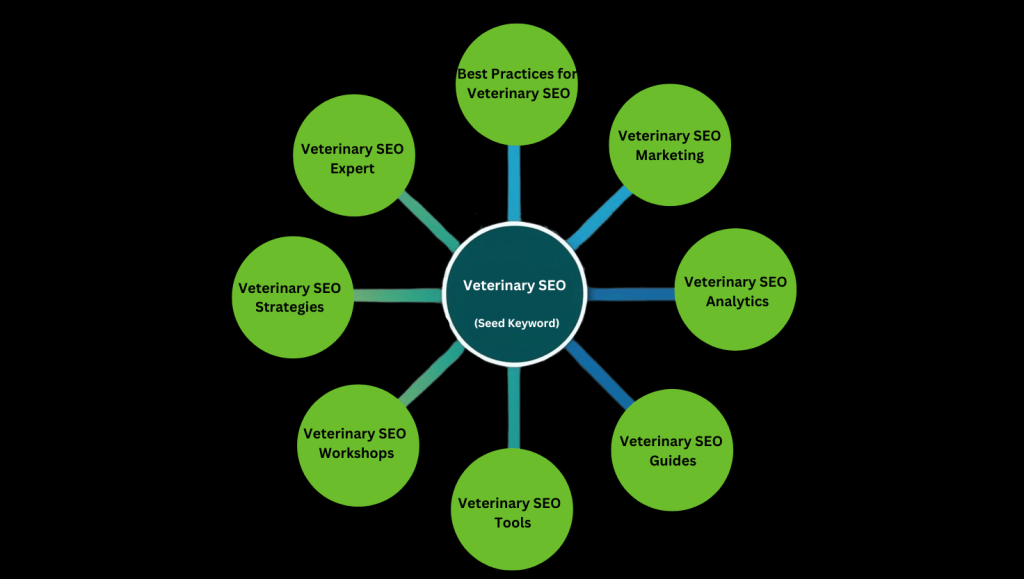
- Hub Content: Central themes or topics forming the primary focus of your website. This content should be comprehensive and informative, providing an in-depth exploration of a specific subject.
- Spoke Content: Subtopics or related articles that link back to the hub. These pieces expand on specific aspects of the main topic, offering more detailed insights while reinforcing the authority of the hub page.
Benefits of Implementing the Hub-and-Spoke Model
Implementing this model not only streamlines your content structure but also improves internal linking. This practice aids search engines in understanding the relationships between various pieces of content, boosting visibility in search results. Organizing keywords effectively ensures that users find relevant information quickly, enhancing engagement and driving traffic to your site.
Creating High-Quality Content That Ranks
Producing high-quality content is essential for small businesses aiming to enhance their online visibility. Content must address users’ questions and solve their problems effectively. This approach satisfies user intent and establishes authority in your niche.
Key aspects to consider:
- Relevance: Align content with the keywords identified during research. This ensures that the material resonates with what users are actively searching for.
- Engagement: Engaging content keeps visitors on your page longer, reducing bounce rates. Incorporate visuals, bullet points, and clear headings to make information digestible.
- Informative Value: Provide detailed insights or solutions that go beyond surface-level information. Such depth encourages shares and backlinks, further boosting SEO.
Google’s algorithms prioritize content that is both engaging and informative. High-quality articles not only rank better but also foster trust with your audience. When users find the answers they need, they are more likely to return and engage further with your business.
Incorporating these elements into your content strategy enhances user engagement and drives traffic, positioning your small business for greater success.

The Process of Continuous Optimization
Maintaining an effective keyword strategy is an ongoing process. Small businesses must recognize the necessity for regular updates in their keyword strategies due to:
- Changing Trends: Search engine algorithms evolve, and consumer behavior shifts based on market dynamics and preferences.
- User Intent: As your audience grows and changes, so do their search habits. Staying attuned to these shifts ensures alignment with user needs.
To achieve continuous optimization, consider the following approaches:
- Regular Audits: Periodically review your keyword performance. Identify keywords that are underperforming and adapt accordingly.
- Stay Informed: Follow industry trends and updates from search engines. Incorporate new keywords that align with emerging topics in your niche.
- Analyze Competitors: Keep an eye on competitors’ keyword strategies. Their successes and failures can provide valuable insights into areas worth exploring.
- Utilize Analytics Tools: Leverage tools like Google Analytics to track user engagement and traffic patterns related to specific keywords.
By implementing these strategies, we can maintain online visibility and enhance positioning in search engine results.

Conclusion
Implementing effective keyword research strategies is essential for boosting your small business’s online presence. The insights gained from this guide can lead to improved SEO success.
Key Takeaways:
- Embrace the Power of Keywords: Start identifying relevant keywords that align with your audience’s needs.
- Utilize Tools and Techniques: Leverage resources like Google Keyword Planner and competitor analysis to refine your strategy.
- Focus on Quality Content: Ensure your content addresses user queries and provides valuable solutions.
Take action now. Begin conducting keyword research for your small business using the techniques discussed in this guide. By doing so, you unlock the potential to attract more customers and drive growth no matter your digital landscape. Your journey toward enhanced visibility and engagement starts today.
Have bigger fish to fry? Contact AVI Lead Gen and let us do the marketing we’re best at while you perfect the business you’ve created.

FAQs (Frequently Asked Questions)
What is the importance of keywords for small businesses?
It is identifying and analyzing the search terms that users enter into search engines. For small businesses, it is crucial as it helps to understand customer needs, drives content strategy, and enhances SEO efforts, ultimately leading to increased visibility and success.
What are the different types of keywords I should know about?
There are four main types of keywords: informational, navigational, commercial, and transactional. Understanding these types helps small businesses effectively target their audience based on the user intent behind each type.
What are the top SEO keyword tools to start my keyword research process?
To initiate research, begin by identifying relevant topics related to your business and brainstorming seed keywords. Utilize free top SEO keyword tools like Google Keyword Planner to find relevant keywords and assess their search volume or consider paid tools like Yoast and many others for their rich feature sets.
What role does competitor analysis play in keyword research?
Examining competitors’ websites can provide valuable insights into their keyword strategies. By identifying gaps and opportunities based on their performance, small businesses can refine their own keyword strategies for better results.
How do I balance long-tail and head terms in my keyword strategy?
Incorporating both long-tail keywords and head terms into your SEO plan is essential. Long-tail keywords typically have lower competition but higher conversion rates, while head terms may bring more traffic. A balanced approach allows you to optimize for both visibility and relevance.
Why is continuous optimization necessary for my keyword strategy?
Continuous optimization is crucial due to changing trends and user behavior. Regularly updating your keyword strategies ensures that your content remains relevant and maintains online visibility in search engine results.
Share this post:


