- Intro: Starting Online Marketing
- Understanding Digital Services
- Key Components of Online Marketing
- Analytics Tools
- Conclusion
- FAQs (Frequently Asked Questions)
Intro: Starting Online Marketing
When starting online marketing, also known as digital marketing, there are various strategies to promote a variety of products or services. These approaches are detrimental for businesses looking to improve their online presence and effectively connect with potential customers. Key benefits of starting these strategies include:
- Targeted Reach: Allows precise targeting of audiences based on their behaviors and preferences.
- Cost-Effectiveness: Compared to traditional advertising methods, these tactics often deliver higher returns on investment.
- Branding Visibility: Create content to be seen by a variety of audiences, increasing brand authority.
The basic principals of online marketing cannot be emphasized enough. As consumer habits increasingly shift toward different platforms, businesses that do not embrace branding basics for beginners risk losing visibility and relevance in a competitive landscape. A strong digital presence helps build brand awareness, generate leads, and foster customer relationships.
This guide is a comprehensive resource for anyone starting online practices. It covers:
- Basic concepts of digital marketing
- Important tools and techniques designed for beginners
- Practical advice to kickstart your efforts
Sign up for our free weekly newsletter below and we’ll include our guide to beginner-friendly social media tools pdf for your reference.

Understanding Digital Services
Our strategies for beginners include various approaches to promote products or services on the internet. It consists of:
- Search Engine Optimization (SEO): Improving website visibility in search engines. Includes both on-page and off-page SEO.
- Content: Creating valuable images and dialogue to attract and engage audiences.
- Social Media (SMM): Using platforms like Facebook, Instagram, and Twitter to connect with potential customers.
- Email: Communicating directly with prospects to build relationships.
- Paid Advertisements: Creating and managing paid advertisements on Google, Facebook, and social media platforms.
Having a strong digital presence is crucial for businesses looking to succeed in today’s market. A well-designed digital profile is the essence to branding basics for beginners. Keeping fonts and color palettes consistent on all platforms builds trust, and allows for effective communication with customers. Companies that prioritize their online presence often experience better lead generation and customer engagement.
Branding Basics for Beginners: Target Audiences
Understanding target audiences through buyer personas helps businesses tailor their strategies effectively. A buyer persona is a semi-fictional representation of an ideal customer based on market research and real data about existing customers. This practice helps identify customer pain points, preferences, and behaviors, ensuring that marketing efforts resonate deeply with the intended audience.
Engaging with buyer personas can optimize message creation and advertising campaigns, leading to improved results across various platforms.
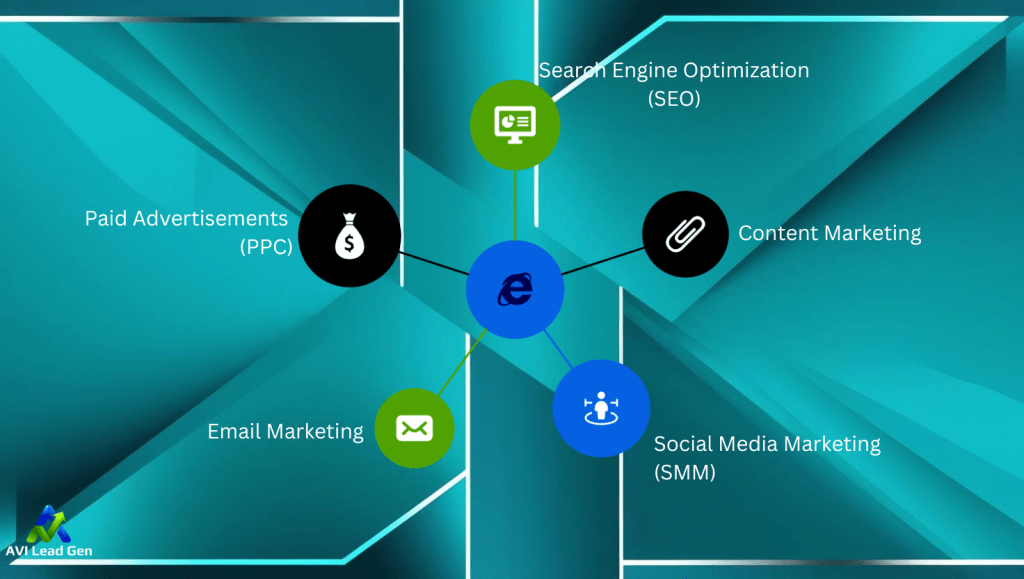
Key Components
Social Media
Identifying the right social media platforms is crucial for beginners aiming to effectively reach their target audience. Popular platforms include:
- Facebook: Offers vast reach and diverse demographic options, making it ideal for targeting various customer segments.
- Instagram: Known for its visual appeal, it’s perfect for brands focusing on aesthetics and engaging younger audiences.
- X: Useful for real-time engagement, ideal for sharing news, and updates, and interacting with customers instantly.
- LinkedIn: Appreciated by working professionals, it is ideal for engaging department heads and b2b demographics.
- Pinterest: Inspiration and ideas across a variety of markets. Allowing users to pin content to boards for later review.
Utilizing engaging formats can significantly enhance interaction on these platforms. Consider the benefits of these content types:
- Images: High-quality visuals capture attention more effectively than text alone and are beneficial for paid ads.
- Videos: Short, informative videos can convey messages quickly while retaining viewer interest.
- Stories: Temporary messages encourage spontaneity and direct engagement, fostering a connection with your audience.
Beginner-Friendly Social Media Tools
Consider social media tools that integrate with a number of media channels. Tools like those offered by AVI Lead Gen can streamline social posts while maintaining brand visibility. This keeps branding consist and costs down for content creation. Alternatives to manage this are Hootsuite among may more.
Email Strategies
Email strategies remain a cornerstone of these endeavors. Building relationships with potential customers through personalized communication fosters trust and loyalty. Key aspects to consider include:
- Crafting targeted email lists based on user preferences helps ensure that your messages reach the right individuals.
- Utilizing automated newsletter platforms streamlines communication, allowing businesses to engage prospects consistently without overwhelming them.
Best practices involve creating valuable information that addresses customer needs while encouraging interaction. Offering exclusive insights or promotions can significantly enhance open and click-through rates.
Best Practices for Automated Newsletters:
- Select the Right Platform: Choose from popular options like MailChimp, AWeber, or our full email campaigns review here, which all offer user-friendly interfaces and automation capabilities.
- Create Engaging Messages: Focus on delivering valuable information that addresses the needs of your audience, such as tips, guides, or industry news.
- Optimize for Mobile: Ensure emails are mobile-friendly to cater to users accessing their inbox on various devices.
Benefits of Email:
- Establishes direct communication with your audience.
- Enables segmentation for targeted messaging based on user behavior.
- Facilitates nurturing leads by providing valuable information.
Email campaigns serve as a powerful tool for cultivating relationships with potential customers. By delivering personalized and relevant messages directly to their inbox, businesses can engage prospects effectively and guide them through the buyer’s journey. For more details on email strategies check out our archives.

Paid Advertising
Paid ads, paid advertising, and pay-per-click (PPC) advertising all enable businesses to leverage their earnings for public advertising. In (PPC) companies bid on keywords relevant to their products or services. Targeted approaches ensure ads are displayed to those audiences most receptive to their message. Tying key metrics from the data analytics (covered shortly) is vital for optimizing PPC campaigns:
- Cost Per Click (CPC): Determines how much you pay each time someone clicks on an ad.
- Click-Through Rate (CTR): Indicates the percentage of users who click an ad after seeing it.
- Quality Score: A measure used by platforms like Google Ads to gauge the relevance of ads based on Keywords, expected CTR, and landing page quality.
Understanding Pay-Per-Click Advertising (PPC)
PPC advertising allows businesses to bid on specific keywords and display ads directly to users actively searching for those terms. This targeted approach enables effective customer outreach. Key metrics play a crucial role in optimizing PPC campaigns:
Tips to Improve PPC Campaign Performance
- Start small by selecting high-performing keywords relevant to your industry.
- Continuously monitor ad performance, making adjustments based on real-time data insights. Advertising platforms typically have this built-in.
- Implement strategies like longtail keyword targeted to improve visibility and reduce competition.
Starting small with a few high-performing keywords allows businesses to manage budgets while continuously monitoring key metrics leading to data-driven improvements.
Moreover, leveraging local ads can be a game changer for small businesses within local service industries. This strategic approach to online advertising enhances visibility and helps to build trustworthy local brand recognition.

SEO and Keywords
Keyword targeting complements SEO initiatives, fostering a robust digital presence. Using tools that do not integrate with each other makes navigating resources cumbersome. Using popular platforms, like WordPress, allows integration from a host of 3rd party developers to deploy specialized interfaces, which streamlines creation and optimization.
Consider tools that are readily available for deployment when articles are being written so the work is being optimized upon delivery. Constant research and optimization is an excellent SEO tactic when done with quality content.
Tools Available for KeyWord Research
- Google Analytics: Free but with a higher learning curve.
- Squirrly SEO: An excellent resource for WordPress users at it acts as an SEO assistant and is easily manageable plugin.
Key aspects for Organic Campaigns:
- SEO: Enhances digital presence and visibility. It focuses on keyword targeting and message quality, crucial for improving website rankings.
- Content Strategy: An effective content plan is essential for delivering valuable information that resonates with target audiences. Types of media may range from:
- Blogs
- Videos
- Infographics
Moreover, understanding the importance of SEO-friendly web design is crucial as it refers to creating websites optimized for search engines while providing excellent user experiences. Exploring these options will equip you with practical knowledge and hands-on experience essential for success.

Content Strategies
Probably the most important strategy in this guide is quality content. Effective content strategies require creation, optimization, and ongoing growth. Building an effective strategy involves understanding these components deeply while continuously adapting based on results and evolving market trends.
A sample content plan for AVI Lead Generation may include blogs on lead generation techniques, infographics illustrating sales funnels, and videos explaining PPC best practices. This holistic approach nurtures leads while maximizing visibility through both organic and paid channels.
For instance, a simple content plan for AVI Lead Generation could include:
- Weekly Blog Posts: Covering topics on digital marketing trends.
- Monthly Infographics: Visualizing KPI (key performance indicator) statistics.
- Bi-Weekly Video Tutorials: Offering insights into effective lead generation techniques.
Also leverage analytics tools provided by these social media platforms. These tools offer insights into:
- Engagement metrics: Understand how users interact with your message.
- Audience demographics: Gain insights into who your audience is and tailor strategies to meet their needs.
- Performance tracking: Identify which post resonates with your audience and refine future strategies.
Implementing this strategic approach to advertising ensures alignment with audience interests while enhancing engagement across a variety of platforms.
AVI Lead Gen Content Plan Example:
For a better understanding of these plans and how to implement one, here is a content plan checklist from AVI Lead Generation to download:
Here’s a very simplified media calendar example:
- Objective: Educate potential clients on digital strategies.
- Frequency: Bi-weekly newsletters.
- Media Types:
- Monday every week: Blog post on industry pain points.
- Week 3: Infographic summarizing key social media trends.
- Week 5: Video tutorial on creating effective email campaigns.
Incorporating the elements in our content calendar into your strategies will enhance engagement and nurture leads toward conversion while aligning with broader digital strategies. The key is quality.

Analytics Tools
Data analytics plays a crucial role in assessing how effective efforts are. By using tools like Google Analytics, businesses can gain valuable insights into user behavior, engagement levels, and overall campaign performance. Understanding these metrics enables marketers to refine their strategies and make decisions based on data.
Key Metrics for PPC Campaigns
- Cost Per Click (CPC): The amount paid for each click on your ad. Monitoring CPC helps manage budgets.
- Click-Through Rate (CTR): Represents the percentage of users who click your ad after viewing it. A higher CTR indicates effective ad engagement.
- Quality Score: A metric that evaluates the relevance of your ads and landing pages, impacting ad placement and cost.
Utilizing Analytics Tools
Data analytics play a significant role in measuring the effectiveness of efforts. Tools like Google Analytics provide comprehensive insights into website traffic, user behavior, and conversion rates. Marketers can identify trends, evaluate campaign performance, and optimize strategies by analyzing this data.

Conclusion
If you’re taking your first steps into the world of online marketing, or are a veteran in the industry, consider these actionable steps:
- Explore Resources: Dive deeper into each strategic component. Books, webinars, and online courses can enhance your understanding and skills.
- Implement Learnings: Apply the strategies discussed in this guide. Start small, experiment, and refine your approach as you gather data on what resonates with your audience.
If you would like to join our free weekly newsletter and get advise in starting online marketing then subscribe below:
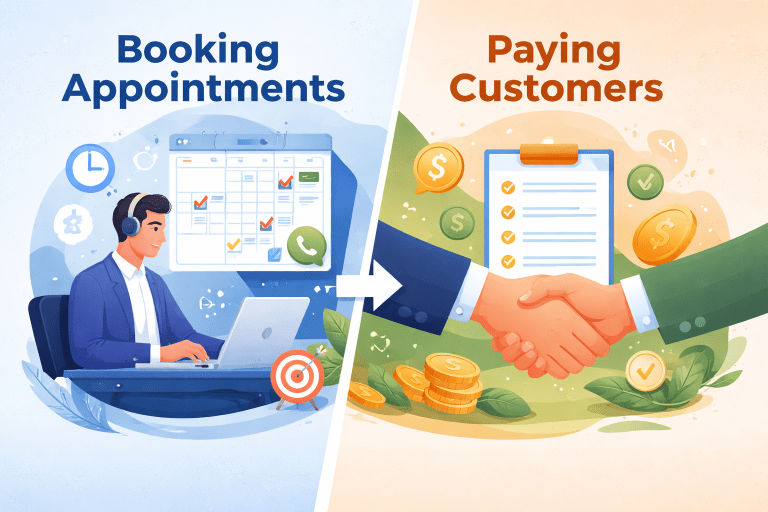
Personalized guidance can significantly impact your growth trajectory. Booking an appointment with AVI Lead Generation offers tailored support to navigate the complexities of digital concepts.
Expert advice can help you avoid common pitfalls while maximizing your potential for success.

FAQs (Frequently Asked Questions)
What is digital marketing?
It refers to promoting products or services through digital channels, including social media, email, search engines, and websites.
How much budget do I need to start?
You can start with a minimal budget, even $100-500 monthly, focusing on one or two channels initially. As you see results, you can scale your investment.
Which digital channels should I focus on first?
Start with the channel where your target audience is most active. For B2B, LinkedIn and email marketing are often effective. For B2C, consider Facebook, Instagram, or Google Ads. Always focus on content quality
How long does it take to see results?
Results vary by channel and strategy. SEO typically takes 3-6 months, while paid advertising can show results immediately. Email marketing often shows results within 1-3 months.
Do I need special tools?
While basic tools like Google Analytics are free, investing in tools like SEMrush, WordPress, or email marketing platforms can improve efficiency and results.
How can I measure the success of my efforts?
Track key metrics like website traffic, conversion rates, engagement rates, ROI, and lead generation through analytics tools like Google Analytics.
Should I hire an agency or an in-house specialist?
This depends on your resources, expertise, and goals. Agencies offer expertise and save time, while in-house marketing provides more control and can be cost-effective long-term.
How often should I update my strategic approach to online advertising?
Review and adjust your strategy quarterly, but monitor performance metrics weekly or monthly to make smaller optimizations as needed.
Share this post: