
- Introduction
- Understanding Multi-Channel Lead Generation
- Benefits of Integrated Digital Marketing Strategies
- Key Steps to Create a Cohesive Multi-Channel Strategy
- Conclusion
- FAQs (Frequently Asked Questions)
Introduction
Multi-channel lead generation is a dynamic marketing strategy that engages potential clients across various platforms, enhancing brand visibility and interaction. This approach integrates essential methods such as social media, email marketing, and content marketing, creating a comprehensive framework tailored to modern consumer behavior.
Key benefits of adopting an integrated approach include:
- Increased Sales: Capitalizing on diverse touchpoints elevates the likelihood of conversion.
- Enhanced Engagement: Prospects receive tailored content in their preferred environments.
In this article, readers will explore:
- The definition and significance of multi-channel lead generation.
- How to effectively utilize social media, email, and content strategies.
- Key steps for creating a cohesive multi-channel strategy that drives results.

Understanding Multi-Channel Lead Generation
Multi-channel lead generation is a marketing strategy that uses different platforms to attract potential customers at various stages of their buying journey. Unlike single-channel approaches, which only engage with one medium, a multi-channel approach combines multiple marketing platforms to reach and be effective.
Key Differences
Here are the main differences between multi-channel lead generation and other approaches:
- Engagement Variety: A multi-channel lead generation strategy allows businesses to connect with prospects through multiple touchpoints, enhancing the likelihood of capturing interest.
- Enhanced Customer Experience: Engaging prospects across various channels creates a seamless experience as they interact with the brand. This method caters to diverse preferences, ensuring that potential customers encounter your message where they feel most comfortable.
Why It Matters
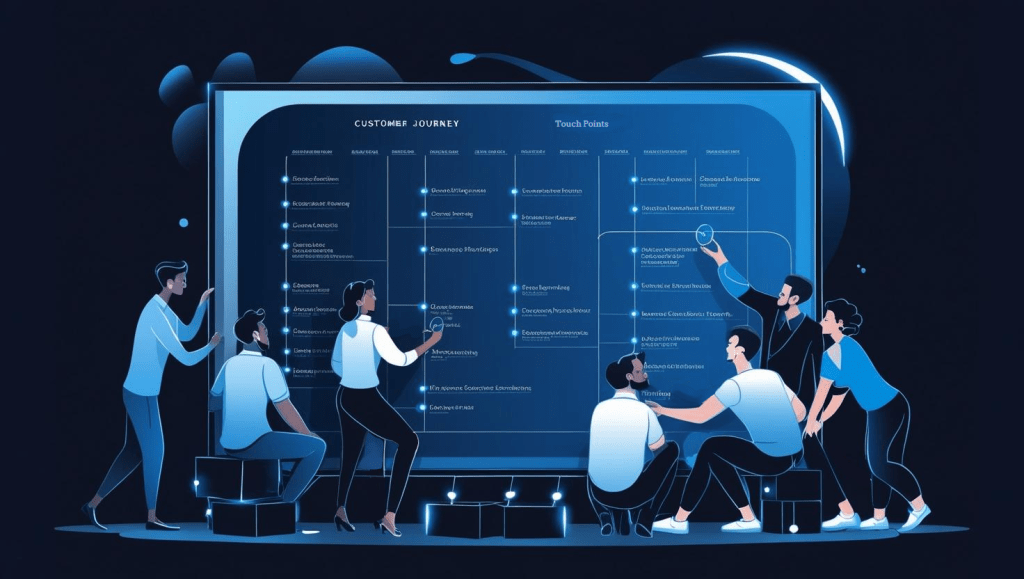
The importance of multi-channel lead generation lies in its ability to meet the different needs of potential prospects throughout their journey:
- Awareness Stage: Utilizing social media to generate interest and awareness.
- Consideration Stage: Employing email campaigns that provide informative content.
- Decision Stage: Leveraging content marketing, such as case studies or webinars, to guide prospects toward conversion.
By incorporating these elements into your lead generation strategy, you can build stronger connections and relationships with potential customers, ultimately leading to increased sales growth.
Benefits of Integrated Digital Marketing Strategies
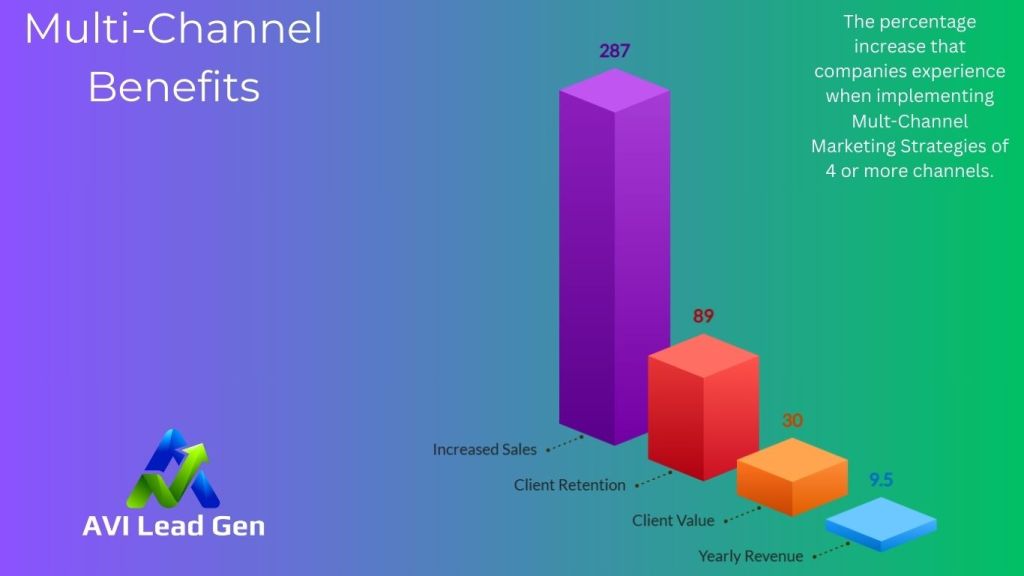
The benefits of integrated digital marketing strategies allow businesses to streamline efforts and maximize content creation. By combining the power of social media platforms, email marketing, and content marketing you’ll create a strong framework for generating prospects. This integration offers several significant advantages:
1. Enhanced Brand Visibility
When platforms work together smoothly, the brand gets more exposure. Social media posts can drive traffic to informative blog articles while email newsletters highlight engaging social content, reinforcing the brand message across multiple touchpoints.
2. Broadened Audience Reach
Engaging prospects in their preferred environments is crucial. Different customers gravitate towards different platforms. Some may prefer reading insightful blog posts, while others might respond better to interactive social media campaigns or personalized email outreach. A multi-channel approach for leads ensures that no potential prospect is overlooked.
3. Improved Targeting Capabilities
Using various methods to deliver content allows for precise targeting. Tailoring communications for specific segments enhances relevance, increasing the likelihood of engagement. For instance, a promotional email may reach a different audience than an educational video shared on social media, yet both can be effective in nurturing prospects along their journey.
Integrating these strategies not only fosters deeper connections with prospects but also amplifies efforts toward achieving sales objectives.
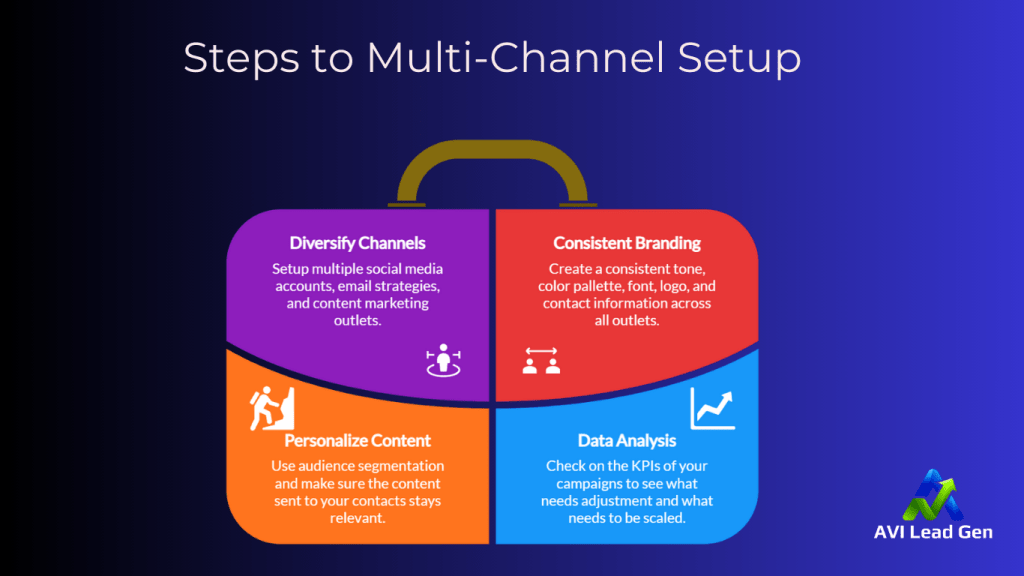
Key Steps to Create a Cohesive Multi-Channel Strategy
1. Diverse Channel Utilization
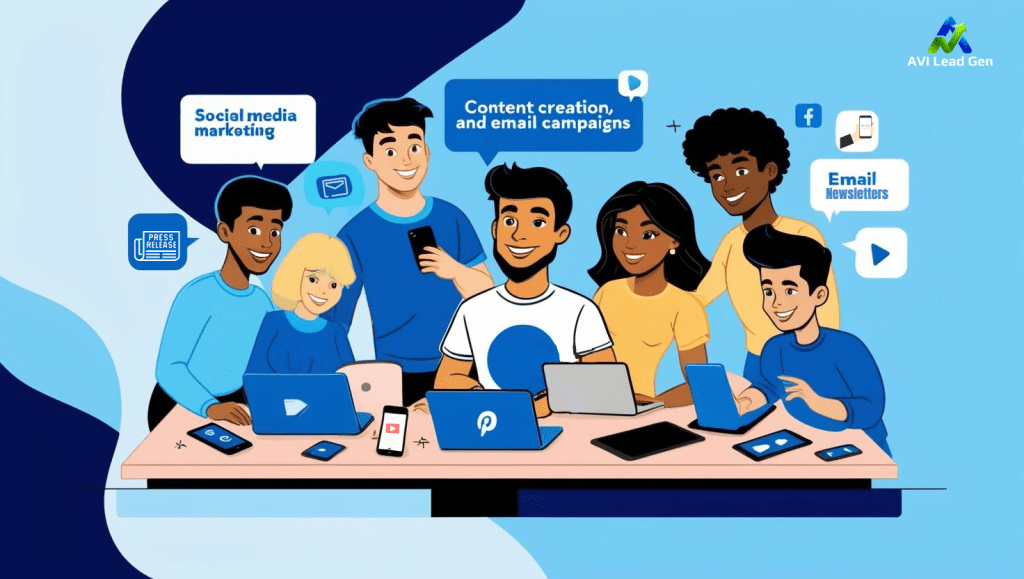
Create a cohesive strategy in lead generation with the simultaneous use of various marketing outlets, including social media, email marketing, and content marketing. Engage prospects through multiple touchpoints to maximize visibility and enhance engagement.
Social Media Platforms: Each platform offers unique advantages.
- LinkedIn serves as an excellent tool for B2B networking, allowing businesses to connect with industry professionals and decision-makers.
- Facebook is ideal for community building, enabling brands to foster relationships through interactive content and group engagement.
Email Marketing:
This option remains a powerful method for direct communication. Personalized email campaigns can nurture leads effectively by providing tailored content that addresses specific needs or interests.
Content Marketing:
Blogs, videos, and infographics establish thought leadership and provide valuable information to prospects.
Address pain points or trends within the industry to attract potential prospects in an organic manner.
Selecting the right mix of channels hinges on understanding your target audience’s preferences and behaviors. Consider these factors:
- Audience Demographics: Analyze age, profession, and interests to determine which platforms resonate most with your potential clients.
- Engagement Patterns: Observe where leads are most active. For example, younger demographics may prefer Instagram or TikTok, while older professionals might engage more on LinkedIn or through email newsletters.
- Content Consumption Habits: Different audiences consume content in varied formats. Some may prefer detailed blog articles, while others respond better to short video snippets or engaging social media posts.
Employ diverse platforms strategically to ensure you will reach your audience effectively at various stages of the buying journey. This approach will enhance your brand recognition and facilitate deeper connections with prospects across their preferred environments.
2. Consistent Messaging Across Channels
Use a cohesive strategy in multi-channel lead generation by maintaining a consistent brand message across all touchpoints. This approach will foster trust with potential clients, enhancing brand credibility and ensuring that your audience recognizes your brand, regardless of the platform they engage with.
To achieve this uniformity, consider the following strategies:
- Brand Elements: Utilize consistent logos, colors, and typography across social media platforms, email marketing, and content marketing materials. This visual continuity reinforces brand identity.
- Tone of Voice: Develop a clear tone that resonates across different platforms. Whether it’s professional for emails or friendly for social media engagements, consistency in voice helps create a unified brand experience.
Several brands exemplify excellence in delivering cohesive experiences:
- Coca-Cola: Their campaigns integrate visuals and messaging consistently across social media and advertisements, enhancing recognition.
- Mailchimp: This platform maintains a playful yet professional tone in their emails and online content, successfully engaging their audience at multiple touchpoints.
Emphasize these elements to strengthen media integration and elevate the overall effectiveness of your multi-channel lead generation efforts.
For our free Content Calendar, consider subscribing to our weekly newsletter below and we’ll send you a copy for use at your business.
3. Targeted Content Creation
Understanding buyer personas is crucial for crafting a cohesive strategy in multi-channel lead generation. Tailored content resonates with specific segments of your target audience, ensuring engagement across various touchpoints.
Key considerations for successful targeted content creation include:
- Deep Persona Analysis: Identify the unique characteristics, behaviors, and preferences of each buyer persona. This insight enables you to craft messages that align with their motivations.
- Stage-Specific Messaging: Recognize that potential clients are at different stages of their buying journey. Tailor your content based on where they fall in this spectrum:
- Awareness Stage: Provide informative resources that address general pain points and introduce solutions.
- Consideration Stage: Offer case studies or comparisons that highlight your product’s advantages over competitors.
- Decision Stage: Deliver compelling calls-to-action and testimonials that encourage conversions.
Incorporate these elements to foster effective media integration. Whether utilizing social media platforms, email marketing, or content marketing strategies, ensure that your messaging aligns with each buyer persona which strengthens your overall lead generation efforts. The synergy created through targeted content enhances brand visibility and significantly improves conversion rates as prospects engage with relevant materials tailored to their needs.
4. Data-Driven Decisions
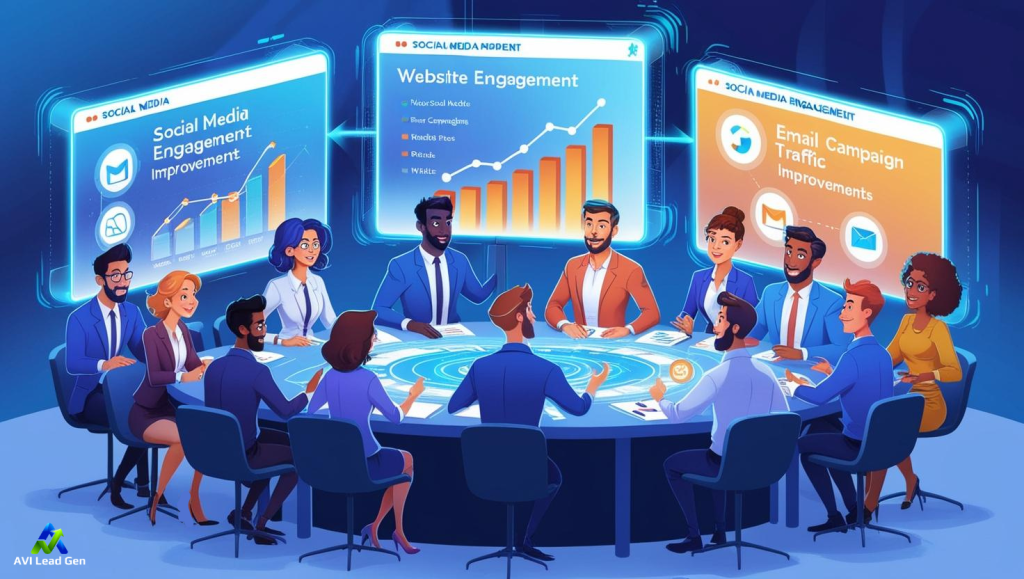
Data analysis is crucial for improving lead generation strategies. It allows businesses to optimize their approach based on real-time insights. By understanding what works best in terms of platform integration and content types, you can make informed decisions that are key to enhancing multi-channel performance.
Key components for success for enhancing multi-channel performance
- Performance Metrics Tracking: Monitoring various metrics across platforms provides clarity on effectiveness. For instance:
- Click-through rates from social media platforms indicate engagement levels.
- Open rates from email marketing reflect interest in the message being delivered.
- Analytical Tools Utilization: Leverage analytical tools to track performance metrics efficiently. Data collected can reveal trends and patterns in audience behavior, facilitating adjustments to maximize impact.
Understand these metrics to find opportunities for continuous improvement. Businesses can shift resources to more effective options or refine content strategies based on audience preferences. This data-driven approach ensures that every element of the cohesive strategy aligns with the ultimate goal of boosting sales through impactful multi-channel lead generation.
Conclusion
A cohesive multi-channel strategy is essential for businesses aiming to enhance their lead generation efforts. Integrating social media, email, and content marketing creates a powerful synergy that drives results.
Consider the following benefits:
- Optimal Engagement: Reaching prospects at various stages of their buying journey increases the chance of conversion.
- Enhanced Visibility: A well-rounded approach amplifies brand presence across diverse platforms.
- Adaptability: Experimenting with new combinations allows businesses to stay relevant and responsive to market changes.
Encouraging businesses to implement these strategies fosters growth. Exploring innovative methods can lead to unexpected breakthroughs in boosting sales. The landscape of Lead Generation is dynamic; staying agile ensures sustained success in attracting high-quality prospects.
FAQs (Frequently Asked Questions)
What is multi-channel lead generation?
It refers to the strategy of engaging potential clients through various marketing options simultaneously, such as social media, email, and content marketing. This approach differs from single-channel strategies by allowing businesses to connect with prospects at different stages of their buying journey across multiple platforms.
What are the benefits of integrating social media, email, and content marketing?
Integrating this variety enhances brand visibility by creating a cohesive presence across diverse platforms. It broadens audience reach by connecting with prospects in their preferred environments and improves targeting capabilities through varied content delivery methods tailored to specific audience segments.
How can I create a cohesive multi-channel approach for leads?
To create a cohesive strategy, utilize diverse platforms simultaneously for maximum impact. Ensure consistent messaging across all platforms to build brand credibility and trust. Additionally, focus on targeted content creation tailored to different buyer personas and leverage data-driven decisions to refine your approach over time.
Why is consistent messaging important in multi-channel lead generation?
Consistent messaging is crucial as it reinforces brand identity and builds trust with prospects. Maintaining uniform branding elements such as logos, colors, and tone of voice across different platforms ensures that your audience receives a coherent experience, which can enhance engagement and conversion rates.
What role does data play in refining lead generation strategies?
Data plays a pivotal role in refining lead generation strategies by enabling businesses to analyze performance metrics across all platforms. By identifying what works best in terms of platform mix or content types used, companies can optimize their campaigns for better results, ensuring that they effectively reach and engage their target audience.
Share this post: